x
 Acrylic On CanvasWallArtBaroque
 1648
1648 120.0 x 98.0 cm
 Museo de Arte de Ponce




























作品のオリジナル比率に合わせた、当店の規定サイズからお選びください。

特定のフレームやスペースに合わせて、ご希望のサイズをご入力いただけます。選択されたサイズが元の画像の比率と異なる場合、アートワークをトリミングするか、手描きで要素を追加して絵画を拡張いたします。デジタルモックアップ を制作し、制作開始前にご確認(承認)をいただきます。
画面上のプレビューは、実際のトリミングや拡張を正確に反映しているものではありません。最終的な構図は、モックアップによってのみ正確にご確認いただけます。
カスタムサイズもご利用いただけますが、元の比率を維持するためには、あらかじめ用意されたリストからサイズを選択することをお勧めいたします。

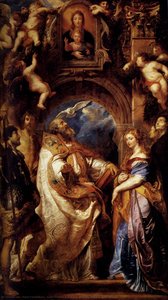
Saint Jerome Writing
複製画のサイズ
Jusepe de Ribera’s “Saint Jerome Writing,” painted in 1648, isn't merely a portrait; it’s an immersion into the soul of a man wrestling with faith, intellect, and the relentless passage of time. The scene unfolds within a dimly lit study – a space deliberately shrouded in shadow, characteristic of Ribera’s masterful use of chiaroscuro, a technique that dramatically contrasts light and dark to create a powerful sense of drama and psychological depth. Before us sits Saint Jerome, not as a triumphant figure of religious iconography, but as a profoundly human individual, his brow furrowed in concentration, his hand poised over parchment, seemingly lost in the act of transcription. The painting immediately evokes a feeling of quiet contemplation, a profound solitude that speaks to the arduous task of translating scripture and the inner struggle inherent in spiritual devotion.

Ribera, a native of Xativa, Spain, forged an extraordinary career in Naples during the 17th century, becoming one of the most influential figures of the Neapolitan Baroque. His style—often described as “tenebrist”—was deeply rooted in Caravaggio’s innovations, yet Ribera developed his own distinct voice, characterized by a raw, unflinching realism and an intense emotionality. He wasn't interested in idealized beauty or polished surfaces; instead, he sought to capture the essence of human experience – its vulnerability, its struggles, and its moments of profound insight. The painting’s composition is deliberately austere, focusing entirely on Jerome and his immediate surroundings, amplifying the sense of introspection.
Born in 1591 and dying in 1652, Ribera's life was marked by both artistic triumph and personal hardship. He endured periods of poverty, illness, and even accusations of heresy, yet he consistently produced works of extraordinary power and beauty. His dedication to portraying the human condition with unflinching honesty cemented his legacy as a master of Baroque painting.
Beyond the immediate depiction of Saint Jerome, the painting is rich in symbolic meaning. The scriptorium itself—a space traditionally associated with learning, wisdom, and divine inspiration—underscores the importance of intellectual pursuit within a religious context. The muted colors, dominated by browns, ochres, and deep reds, contribute to the overall atmosphere of solemnity and contemplation. Notice how Ribera uses light not as a source of illumination but as a tool for dramatic effect, highlighting Jerome’s face and hands while leaving much of the background in shadow. This technique emphasizes his inner world—his thoughts, his struggles, and his unwavering commitment to his task.
The two books flanking the table are not merely props; they represent the Bible itself – the source of Jerome's work and the foundation of his faith. The quill pen symbolizes the act of writing, not just as a physical action but as a process of spiritual transformation. The very posture of the saint—his hunched shoulders, his furrowed brow—suggests the weight of responsibility and the intensity of his devotion.
“Saint Jerome Writing” transcends its religious subject matter to offer a universal meditation on human experience. It’s a poignant portrayal of a man grappling with doubt, seeking solace in faith, and striving for understanding in the face of an uncertain world. Ribera's masterful use of light, shadow, and composition creates a deeply moving image that continues to resonate with viewers centuries after its creation. It is a testament to the enduring power of art to capture the complexities of the human spirit—a reminder that even in solitude and contemplation, we are connected by our shared struggles and aspirations.


1591 - 1652 , Spain

Explore the profound elegance of Baroque Classicism. Discover how 17th-century masters synthesized dramatic emotion with classical order through the lens of the Counter-Reformation and the works of legends like Carlo Maratta and Andrea Sacchi.

Explore the dramatic power of Baroque art. Discover how masters like Caravaggio used chiaroscuro and light to redefine emotion, history, and faith through a definitive guide for art enthusiasts and collectors.

Explore the profound drama of 17th-century Baroque art. Discover how masters used chiaroscuro, movement, and emotional intensity to redefine history through the lens of the Counter-Reformation. An expert guide for art historians and collectors seeking deep cultural insight.

Explore the dramatic evolution from Mannerist distortion to Baroque grandeur. Discover how light, shadow, and emotion redefined art history through a masterclass in technical mastery and religious fervor.

Explore the profound differences between Baroque drama and Rococo elegance. Our expert guide delves into art history, chiaroscuro, and the evolution of European masterpieces for collectors and enthusiasts seeking deep historical context.


最新の美術ニュース、限定オファー、そしてインテリアのアイデアをいち早くお届けします。
お客様のプロジェクトについてお聞かせください。当社の美術専門家が、お客様に合わせた3つのパーソナライズされた芸術提案をご提供いたします。
あなたにぴったりの3作品を無料で厳選いたします


 プレビュー
プレビュー
 プリントを購入
 シェアする
シェアする シェアする
シェアする
 詳細を見る
詳細を見る

 ダウンロード
 似ている作品
 X線調査
X線調査 スライドショー
 詳細を見る
詳細を見る









 ガラスオプションは、110cm未満のサイズでのみご利用いただけます。