x
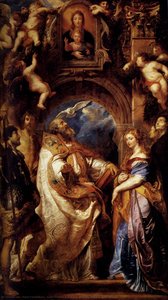
 Acrylic On CanvasWallArtBaroque
 1648
1648 120.0 x 98.0 cm
 Museo de Arte de Ponce
オンラインプレビューをはるかに凌ぐ、高解像度で鮮明なデジタル画像をご購入いただけます。
各ファイルは、社内の専門家が高度なツールと熟練した手作業によるレタッチを用いて、細心の注意を払って準備されています。すべての画像において、卓越した鮮明度、正確な色彩再現性、そして繊細なディテールを保証いたします。
最終ファイルは、プロフェッショナルな編集・印刷環境ですぐにご利用いただけるよう最適化された状態で、72時間以内にメールにてお届けいたします。これは、一流のデザインスタジオ、出版社、ギャラリーから信頼されているものと同等の品質です。
Most-Famous-Paintings.com を選ぶことは、単に画像を手に入れることではありません。それは、プロの手によって精密に仕上げられ、満足保証が付いた高品質なデジタルアートワークを受け取ることを意味します。ご注文いただいた際に自動的に付随する内容は、以下の通りです:

ご注文から72時間以内に、高解像度のデジタル画像ファイルがメールでお手元に届きます。すぐにそのままご利用いただけます。

お客様の作品は、高度なAIツールと専門家による手作業の編集を組み合わせてプロフェッショナルに最適化されており、細部のディテール、鮮明さ、そして正確な色再現性を最大限に引き出しています。

ファイルを誤って削除したり、紛失してしまったりしましたか?ご安心ください。いつでも無料で再送いたします。

関税や手数料、配送料を気にすることなく、お気に入りのアートワークをすぐにお楽しみいただけます。デジタルダウンロードは常に免税です。

プロ仕様のツールとカラーマネジメント技術を用いることで、デジタル画像が元の色を最大限に忠実に再現することを保証いたします。

ご購入いただいたデジタル画像にご満足いただけない場合は、60日以内であれば、修正または100%の返金(理由を問う必要はありません)をさせていただきます。

ご満足いただけない場合は、デジタルファイルを受け取ってから60日以内であれば、理由を問わず全額返金いたします。

3枚購入で10%OFF - 5枚購入で15%OFF - 10枚以上購入で20%OFF。クリエイティブなプロジェクト、ギャラリー、エージェンシーに最適です。
Jusepe de Ribera’s “Saint Jerome Writing,” painted in 1648, isn't merely a portrait; it’s an immersion into the soul of a man wrestling with faith, intellect, and the relentless passage of time. The scene unfolds within a dimly lit study – a space deliberately shrouded in shadow, characteristic of Ribera’s masterful use of chiaroscuro, a technique that dramatically contrasts light and dark to create a powerful sense of drama and psychological depth. Before us sits Saint Jerome, not as a triumphant figure of religious iconography, but as a profoundly human individual, his brow furrowed in concentration, his hand poised over parchment, seemingly lost in the act of transcription. The painting immediately evokes a feeling of quiet contemplation, a profound solitude that speaks to the arduous task of translating scripture and the inner struggle inherent in spiritual devotion.

Ribera, a native of Xativa, Spain, forged an extraordinary career in Naples during the 17th century, becoming one of the most influential figures of the Neapolitan Baroque. His style—often described as “tenebrist”—was deeply rooted in Caravaggio’s innovations, yet Ribera developed his own distinct voice, characterized by a raw, unflinching realism and an intense emotionality. He wasn't interested in idealized beauty or polished surfaces; instead, he sought to capture the essence of human experience – its vulnerability, its struggles, and its moments of profound insight. The painting’s composition is deliberately austere, focusing entirely on Jerome and his immediate surroundings, amplifying the sense of introspection.
Born in 1591 and dying in 1652, Ribera's life was marked by both artistic triumph and personal hardship. He endured periods of poverty, illness, and even accusations of heresy, yet he consistently produced works of extraordinary power and beauty. His dedication to portraying the human condition with unflinching honesty cemented his legacy as a master of Baroque painting.
Beyond the immediate depiction of Saint Jerome, the painting is rich in symbolic meaning. The scriptorium itself—a space traditionally associated with learning, wisdom, and divine inspiration—underscores the importance of intellectual pursuit within a religious context. The muted colors, dominated by browns, ochres, and deep reds, contribute to the overall atmosphere of solemnity and contemplation. Notice how Ribera uses light not as a source of illumination but as a tool for dramatic effect, highlighting Jerome’s face and hands while leaving much of the background in shadow. This technique emphasizes his inner world—his thoughts, his struggles, and his unwavering commitment to his task.
The two books flanking the table are not merely props; they represent the Bible itself – the source of Jerome's work and the foundation of his faith. The quill pen symbolizes the act of writing, not just as a physical action but as a process of spiritual transformation. The very posture of the saint—his hunched shoulders, his furrowed brow—suggests the weight of responsibility and the intensity of his devotion.
“Saint Jerome Writing” transcends its religious subject matter to offer a universal meditation on human experience. It’s a poignant portrayal of a man grappling with doubt, seeking solace in faith, and striving for understanding in the face of an uncertain world. Ribera's masterful use of light, shadow, and composition creates a deeply moving image that continues to resonate with viewers centuries after its creation. It is a testament to the enduring power of art to capture the complexities of the human spirit—a reminder that even in solitude and contemplation, we are connected by our shared struggles and aspirations.


1591 - 1652 , Spain


最新の美術ニュース、限定オファー、そしてインテリアのアイデアをいち早くお届けします。
お客様のプロジェクトについてお聞かせください。当社の美術専門家が、お客様に合わせた3つのパーソナライズされた芸術提案をご提供いたします。
あなたにぴったりの3作品を無料で厳選いたします


 プレビュー
プレビュー
 プリントを購入
 シェアする
シェアする シェアする
シェアする
 詳細を見る
詳細を見る

 ダウンロード
 似ている作品
 X線調査
X線調査 スライドショー
 詳細を見る
詳細を見る