


x

Rankiniu būdu tapytas aliejus ant droblio jūsų pageidaujamame dydį ir rėmuose – mūsų menininkų darbas pagal užsakymą. ( Pirkti spaudinį Pirkti vaizdą)





























Pasirinkite iš mūsų nustatytų dydžių, atitinkančių originalaus meno kūrinio proporcijas.

Galite įvesti savo matmenis, kad jie atitiktų konkretų rėmą ar erdvę. Jei pasirinktas dydis neatitinka originalaus paveikslėlio proporcijų, mes arba apkropsime meno kūrinį, arba papildysime tapybą rankomis dažytい elementais. Prieš pradėdami gamybą, jūsų patvirtinimui atsiųsime skaitmeninį maketą.
Atkreipkite dėmesį, kad ekrane rodomas vaizdas neatspindi tikrojo apkarpymo ar papildymo. Tik maketas tiksliai parodys galutinę kompoziciją.
Nors galima rinktis ir individualius dydžius, rekomenduojame pasirinkti matmenis iš nustatytos sąrašo, kad būtų išlaikytos originalios proporcijos.
Pristatymas visame pasaulyje () per 3–4 savaites, o ne įprastai – per 5 savaites. (22 rugpjūtis). Kokybė lieka nepakeičiama.


Dunes cove
Reprodukcijos matmenys
Ernst Ludwig Kirchner’s “Dunes Cove” is not merely a depiction of a coastal scene; it's an immersion into the turbulent heart of German Expressionism. Executed as a woodcut print, this stark and arresting image immediately confronts the viewer with a world stripped bare – a landscape reduced to its essential forms, imbued with a palpable sense of unease and isolation. The work’s power resides in its deliberate distortion, its rejection of naturalistic representation in favor of an intensely subjective emotional response. Kirchner, born in Aschaffenburg in 1880, was a pivotal figure in the Expressionist movement, driven by a desire to capture not what he *saw*, but what he *felt* – anxieties about modernity, alienation, and the psychological strain of a rapidly changing world.
Kirchner’s artistic vision deliberately rejects traditional perspective, flattening space and distorting forms in a manner characteristic of Expressionist art. The figures wading in the water or sand are not rendered with anatomical accuracy; instead, they are elongated, stylized representations of human vulnerability within a hostile environment. This distortion isn't accidental; it serves to heighten emotional intensity and convey a sense of psychological unease. The sweeping curve of the dune acts as a visual metaphor for instability and perhaps even the overwhelming force of nature. The dense clouds overhead further contribute to this feeling of confinement and foreboding, suggesting a world shrouded in uncertainty.
“Dunes Cove” is profoundly evocative, communicating a powerful sense of isolation and anxiety – themes central to Kirchner’s oeuvre. The stark contrast between light and shadow, the simplified forms, and the deliberate distortion all contribute to this unsettling atmosphere. It's a scene that invites contemplation on the human condition, prompting questions about our place in the world and our relationship with nature. This artwork speaks to a deeper truth – the inherent loneliness of modern existence, amplified by the anxieties of a society undergoing rapid transformation.

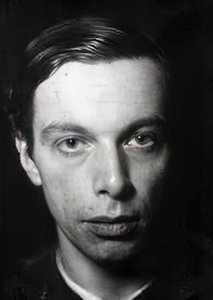
1880 - 1938 , Գերմանիա

Explore the profound history and technical mastery of woodcut relief printing. From ancient origins to German Expressionism, discover how artists use the subtractive process to create iconic works. A definitive guide for art students, collectors, and historians.

Explore the profound artistry of black and white photography. From the chemistry of gelatin silver to the chiaroscuro of the Old Masters, discover how monochrome captures the eternal essence of light, form, and emotion for the discerning art collector.

Discover the technical mastery behind Most-Famous-Paintings.com's premium Giclée canvas prints. Our guide for elite collectors explores archival pigment inks, museum-grade substrates, and the science of high-fidelity reproduction to ensure lasting beauty and historical accuracy.

Discover the science behind museum-quality Giclée prints. Learn how archival pigment inks, 12-color precision, and museum-grade substrates create high-fidelity art reproductions designed to preserve the soul of historical masterpieces for generations.


Sekite naujausias meno naujienas, išskirtinius pasiūlymus ir dekoravimo idėjas.
Pasakokite mums apie savo projektą, o mūsų meno ekspertai parengs jums 3 asmeniškus meno pasiūlymus.
Leiskite mums parinkti 3 variantus būtent jums – nemokamai!


 Peržiūrėti realybėje
 Pasidalinti
 Dalintis
 Išsamiau

 Atsisiųsti
 Panašūs eksponatai
 Rentgeno nuotrauka
 Automatinė diorama

 Skaityti daugiau







 Stiklo variantas prieinamas tik pasirinkus dydį iki 110 cm


