


x

Įsigykite aukštos skiriamosios raiškos, patobulintą skaitmeninį vaizdą, gerokai pranašesnį už internetinę peržiūrą.
Kiekvieną failą mūsų specialistai kruopščiai paruošia naudojant pažangias technologijas ir profesionalų rankinį retušavimą. Užtikriname, kad kiekvienas vaizdas pasižymėtų išskirtiniu aiškumu, tikslia spalvų atspalviu ir smulkiomis detalėmis.
Baigiamas failas el. paštu pristatomas per 72 valandas; jis optimizuotas nedelsiant naudojimui profesionalioje, redakcinėje ir spausdinimo aplinkoje. Tai ta pati kokybė, kuria pasitiki aukščiausios klasės dizaino studijos, leidyklos ir galerijos.
Atsisiųskite didelės raiškos failą asmeniniam naudojimui, spausdinimui ir kūrybiniams projektams. ( Pirkti spaudinį Pirkti rankomis tapytą paveikslą)
Pasirinkę Most-Famous-Paintings.com, jūs ne tik gaunate paveikslėlį – jūs gaunate profesionaliai patobudintą skaitmeninį kūrinį, sukurtą itin tikniai ir užtikrinantį pasitenkinimą. Štai viską, kas automatiškai pritékia jūsų užsakymui:

Jūsų aukštos raiškos skaitmeninis vaizdo failas bus išsiųstas jums el. paštu per 72 valaudas nuo užsakymo – paruoštas naudojimui be jokių papildomų veiksmų.

Jūsų meno kūrinys profesionaliai optimizuojamas naudojant pažangius dirbtinio intelekto įrankius ir rankinį redagavimą, užtikrinant maksimalią detalę, aiškumą ir spalvų tikslumą.

Atsitiktinai ištrytikote ar praradote savo failą? Nebijokite – bet kuriuo metu atsiųsime jį jums vėl nemokamai.

Mėgaukitės savo meno kūriniu akimirka – skaitiniai failai visada yra neapmokestinami, todėl nereikės mokėti muitinės, mokesčių ar pristatymo mokesčių.

Naudodami profesionalią įrangą ir spalvų valdymo sistemas, užtikriname, kad jūsų skaitmeninis vaizdas kuo tiksliau atspindėtų originalias spalvas.

Jei nebuvate patenkinti savo skaitinio vaizdo, per 60 dienų jį pertaisysime arba grąkinsime 100% sumą – be jokių klausimų.

Nepat 만족inti? Gaukite visą sumokėtą sumą per 60 dienų nuo skaitmeninio failo gavimo – be jokių papildomų klausimų.

Pirkti 3 nuotraukas – pasiūla 10% - Pirkti 5 – pasiūla 15% - Pirkti 10 ir daugiau – pasiūla 20%. Puikiai tinka kūrybiniams projektams, galerijoms bei agentūroms.
Fernand Léger's "Ballet Mécanique," painted in 1924, isn’t merely a depiction of a scene; it’s a vibrant, pulsating embodiment of the machine age and its impact on human experience. This groundbreaking work, born from Léger’s fascination with industrial forms and his post-war reflections, transcends simple representation to become a dynamic exploration of rhythm, movement, and the increasingly mechanized world around us. The painting captures a fleeting moment within a larger, almost frenetic sequence – a snapshot of urban life filtered through the lens of Cubism and a burgeoning interest in technology’s influence.
The composition itself is immediately arresting. Léger abandons traditional perspective, instead presenting a series of interlocking rectangular frames, reminiscent of a filmstrip or a mechanical animation. Within these frames, we encounter a cast of figures – women engaged in everyday activities like gardening and laundry, alongside glimpses of industrial machinery and domestic objects. These elements aren’t rendered with meticulous detail; rather, they are fragmented, simplified, and abstracted into geometric shapes—cylinders, cones, and angular forms that dominate the scene. This deliberate reduction emphasizes their mechanical essence, transforming familiar subjects into stylized symbols of a rapidly changing world.
“Ballet Mécanique” is deeply rooted in Léger’s development of “Tubism,” an artistic style he pioneered alongside Robert Delaunay. Tubism sought to capture the essence of modern life through the simplification of forms into cylindrical shapes, reflecting the perceived strength and stability of machinery. This approach wasn't about replicating reality but rather distilling it down to its fundamental geometric components – a direct response to the industrial landscape that was reshaping Europe after World War I. The painting’s palette is deliberately restrained—primarily consisting of bold primary colors (red, blue, yellow) punctuated by black and white—further reinforcing the mechanical aesthetic. The lack of shading or depth contributes to the feeling of flatness and immediacy, as if we are witnessing a continuous stream of images unfolding before our eyes.
It’s crucial to understand that “Ballet Mécanique” was conceived in conjunction with a film of the same name, directed by Dudley Murphy. Léger and Murphy intended the painting to serve as a visual accompaniment to the film, capturing its dynamic rhythm and fragmented imagery. The film itself—a pioneering experiment in experimental cinema—utilized synchronized music composed by George Antheil, further amplifying the sense of mechanical precision and rhythmic intensity. The pairing of the painting and the film created a truly immersive experience, blurring the boundaries between art forms and reflecting the growing fascination with new technologies and their impact on culture.
Beyond its technical innovations, “Ballet Mécanique” carries a potent symbolic weight. The repetitive movements of the figures, the fragmented forms, and the relentless pace of the composition evoke a sense of both excitement and anxiety—a reflection of the rapid social and technological changes occurring in the 1920s. The painting isn’t simply celebrating progress; it's also hinting at the potential alienation and dehumanization that can accompany industrialization. The figures, though seemingly engaged in everyday activities, appear strangely detached and isolated within their mechanical surroundings. Despite this underlying tension, “Ballet Mécanique” ultimately offers a surprisingly optimistic vision of modernity—a celebration of dynamism, energy, and the transformative power of technology.
Today, reproductions of "Ballet Mécanique" remain highly sought after by collectors and interior designers alike. Its bold colors, dynamic composition, and iconic imagery make it a striking addition to any space. When incorporated into an interior setting, the painting’s inherent energy can invigorate a room, creating a conversation piece that speaks to both the history of modern art and the ongoing fascination with the machine age. Consider pairing it with sleek, minimalist furniture or incorporating elements of industrial design to further enhance its visual impact.

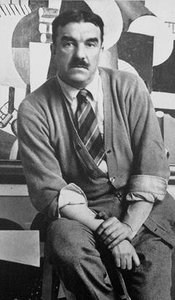
1881 - 1955 , Prancūzija


Sekite naujausias meno naujienas, išskirtinius pasiūlymus ir dekoravimo idėjas.
Pasakokite mums apie savo projektą, o mūsų meno ekspertai parengs jums 3 asmeniškus meno pasiūlymus.
Leiskite mums parinkti 3 variantus būtent jums – nemokamai!


 Peržiūrėti realybėje
 Pasidalinti
 Dalintis
 Išsamiau

 Atsisiųsti
 Panašūs eksponatai
 Rentgeno nuotrauka
 Automatinė diorama

 Skaityti daugiau


