


x

 Oil On CanvasWallArtCubism
 Modern
 22.0 x 27.0 cm
Muziejų lygio „giclée“ arba drobos spausdinimas: greita gamyba ir lankstios apdailos parinktys. ( Pirkti rankomis tapytą paveikslą Pirkti vaizdą)





























Pasirinkite iš mūsų nustatytų dydžių, atitinkančių originalaus meno kūrinio proporcijas.

Galite nurodyti savo matmenis, kad vaizdas atitiktų konkretų rėmą ar erdvę. Jei pasirinktas dydis nesutaps su originalaus paveikslėlio proporcijomis, mes arba apkirpsime kūrinį, arba išplėsime vaizdą naudojant veideliu atspindėtą arba vientisą šoną. Skaitmeninis maketas bus išsiųstas jums patvirtinti prieš pradedant gamybą.
Atkreipkite dėmesį, kad ekrane matomas vaizdinys neatspindi tikrojo apkirpimo ar išplėtimo. Tik maketas tiksliai parodytų galutinę kompoziciją.
Nors galima rinktis ir individualius dydžius, rekomenduojame pasirinkti vieną iš išanksti nustatytų matmenų, kad būtų išlaikytos originalios proporcijos.
Pristatymas visame pasaulyje () per 2 weeks, o ne įprastas 4/5 savaičių laikotarpis. (18 rugpjūtis)


Deauville
Reprodukcijos matmenys
Fernand Léger's “Deauville,” completed in 1927, isn’t merely a depiction of the glamorous seaside resort town; it’s an audacious manifesto of Léger’s artistic philosophy – a belief that abstraction could simultaneously convey both intellectual rigor and visceral emotion. This vibrant collage captures the energy of Deauville's summer season with a masterful blend of color and geometric forms, establishing itself as one of Léger’s most iconic works.
Léger’s style is undeniably rooted in Cubism, though he swiftly moved beyond its analytical phase to embrace a more expressive approach. “Deauville” exemplifies this stylistic evolution through the use of bold geometric shapes – circles, squares, triangles – arranged in dynamic compositions that prioritize visual impact over realistic representation. Léger meticulously applied pigment onto canvas with thick impasto strokes, creating textured surfaces that amplify the painting’s sculptural qualities. The artist deliberately avoided blending colors, opting instead for juxtaposed hues to generate optical illusions and heighten the sense of movement.
Created during the height of the Weimar Republic – a period marked by economic prosperity alongside simmering anxieties about political instability – “Deauville” reflects the broader cultural preoccupation with technological advancement and urban dynamism. Léger’s fascination with machines is palpable throughout his oeuvre, and this painting serves as a powerful emblem of the machine age's influence on artistic sensibilities. The choice of Deauville itself—a symbol of leisure and sophistication—was deliberate, highlighting the artist’s desire to portray not just what he *saw*, but also how he *felt* about the transformative forces reshaping European society.
While seemingly decorative at first glance, “Deauville” is laden with symbolic significance. The prominent yellow boat – a recurring motif in Léger’s work – represents aspiration and optimism, propelling viewers forward into an imagined future. Alongside the boat are cacti—representing resilience and endurance—suggesting that beauty can emerge even from challenging circumstances. Léger's deliberate use of color isn’t arbitrary; it’s carefully calibrated to evoke specific emotional responses, channeling the exhilaration of summer days and capturing the spirit of a bygone era.
"Deauville" transcends mere visual representation, achieving a profound emotional resonance. Léger's masterful orchestration of form and color generates a captivating sense of rhythm and movement, inviting contemplation and stimulating the imagination. The painting’s bold aesthetic choices communicate an unwavering confidence in the power of abstraction to convey complex ideas and emotions—a testament to Léger’s enduring legacy as one of the foremost innovators of modern art.

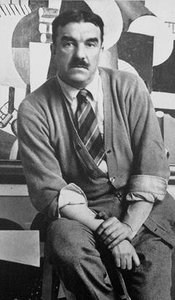
1881 - 1955 , Prancūzija

Explore the profound impact of Minimalism and Geometric Abstraction. From Mondrian to Malevich, discover how stripping art to its essential forms revolutionized modern aesthetics through our expert-led historical guide.


Sekite naujausias meno naujienas, išskirtinius pasiūlymus ir dekoravimo idėjas.
Pasakokite mums apie savo projektą, o mūsų meno ekspertai parengs jums 3 asmeniškus meno pasiūlymus.
Leiskite mums parinkti 3 variantus būtent jums – nemokamai!


 Peržiūrėti realybėje
 Pasidalinti
 Dalintis
 Išsamiau

 Atsisiųsti
 Panašūs eksponatai
 Rentgeno nuotrauka
 Automatinė diorama
 Skaityti daugiau







 Stiklo variantas prieinamas tik pasirinkus dydį iki 110 cm


