


x

Rankiniu būdu tapytas aliejus ant droblio jūsų pageidaujamame dydį ir rėmuose – mūsų menininkų darbas pagal užsakymą. ( Pirkti spaudinį Pirkti vaizdą)





























Pasirinkite iš mūsų nustatytų dydžių, atitinkančių originalaus meno kūrinio proporcijas.

Galite įvesti savo matmenis, kad jie atitiktų konkretų rėmą ar erdvę. Jei pasirinktas dydis neatitinka originalaus paveikslėlio proporcijų, mes arba apkropsime meno kūrinį, arba papildysime tapybą rankomis dažytい elementais. Prieš pradėdami gamybą, jūsų patvirtinimui atsiųsime skaitmeninį maketą.
Atkreipkite dėmesį, kad ekrane rodomas vaizdas neatspindi tikrojo apkarpymo ar papildymo. Tik maketas tiksliai parodys galutinę kompoziciją.
Nors galima rinktis ir individualius dydžius, rekomenduojame pasirinkti matmenis iš nustatytos sąrašo, kad būtų išlaikytos originalios proporcijos.
Pristatymas visame pasaulyje () per 3–4 savaites, o ne įprastai – per 5 savaites. (22 rugpjūtis). Kokybė lieka nepakeičiama.


Study for a Portrait
Reprodukcijos matmenys
In the quiet, evocative depths of Fernand Léger’s "Study for a Portrait," we encounter a moment frozen in time, where the boundaries between the human soul and geometric precision begin to blur. Created in 1945, this work serves as a profound meditation on the interplay of light and darkness, capturing a sense of vulnerability that feels both intensely personal and universally resonant. The subject—a woman rendered with a striking, stylized grace—emerges from an amorphous, dark expanse, her presence defined not by soft realism, but by the deliberate, rhythmic application of ink wash and charcoal. It is a piece that demands attention through its restraint, inviting the viewer into a contemplative space where every line carries the weight of intention.
The technique employed here is a masterclass in textural storytelling. Léger utilizes the raw, tactile qualities of charcoal to sculpt the figure, creating bold, structural contours that lend the subject a monumental presence. These thick, decisive lines act as an architectural framework, reminiscent of his fascination with the strength of industrial forms, yet they are softened by the fluid, atmospheric washes of ink. This duality creates a surface that is simultaneously rugged and ethereal, offering a visual depth that shifts as the light catches the layered mediums. For the discerning collector or interior designer, this piece offers a sophisticated textural element, providing a focal point that anchors a room with its dramatic, monochromatic intensity.
To understand this study, one must look to the broader canvas of Léger’s career. Emerging from the vibrant, often chaotic crucible of the Parisian avant-garde, Léger was a pioneer who sought to bridge the gap between the mechanical energy of the modern age and the enduring pulse of human emotion. While he is often celebrated for his "Tubism" and his celebration of the machine aesthetic, "Study for a Portrait" reveals a more intimate side of his genius. Here, the geometric abstraction characteristic of Cubism is not used to distance the viewer from the subject, but rather to distill her essence into its most potent, symbolic form. The simplified planes and angular shadows do not strip away her humanity; instead, they protect it, encasing her in a protective, structural shell.
There is an undeniable psychological weight to the composition. The figure’s raised hand—a gesture that could signify anything from a silent plea to a moment of profound realization—introduces a narrative ambiguity that lingers in the mind long after the first viewing. Set against a dark, brooding background that suggests isolation or deep introspection, the portrait evokes a sense of beautiful melancholy. It is an artwork that speaks to the complexities of the human condition: our strength in the face of uncertainty and our inherent vulnerability within a rapidly changing world. For those seeking to infuse their living spaces with art that possesses both intellectual depth and emotional resonance, this reproduction offers a timeless window into the heart of Modernism.

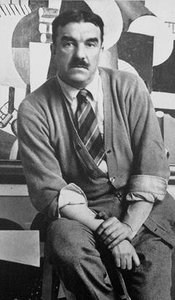
1881 - 1955 , Prancūzija

Explore the profound history and technical mastery of charcoal art. From prehistoric origins to Renaissance chiaroscuro, learn the essential additive and subtractive techniques used by masters to capture light, shadow, and raw emotional depth in monochrome fine art.

Explore the profound mastery of ink on paper. From Japanese haiku traditions to Ming Dynasty calligraphy, discover the delicate balance of precision and flow that defines this timeless art form through an expert historical lens.


Sekite naujausias meno naujienas, išskirtinius pasiūlymus ir dekoravimo idėjas.
Pasakokite mums apie savo projektą, o mūsų meno ekspertai parengs jums 3 asmeniškus meno pasiūlymus.
Leiskite mums parinkti 3 variantus būtent jums – nemokamai!


 Peržiūrėti realybėje
 Pasidalinti
 Dalintis
 Išsamiau

 Atsisiųsti
 Panašūs eksponatai
 Rentgeno nuotrauka
 Automatinė diorama

 Skaityti daugiau







 Stiklo variantas prieinamas tik pasirinkus dydį iki 110 cm


