x


 Preview
 Заказать принт Заказать репродукцию
 Поделиться
 Детали произведения
 Добавить в избранное
 Скачать
 Похожие работы
 Рентгенография
 Слайд-шоу
 Масло на панелиEarly Netherlandish painting
 1467— Ренессанс
 180.0 x 150.0 cm
 Sint-Jacobskerk
Приобретите цифровое изображение высокого разрешения в улучшенном качестве, которое значительно превосходит онлайн-превью.
Каждый файл тщательно подготавливается нашими специалистами с использованием передовых инструментов и экспертной ручной ретуши. Мы гарантируем исключительную четкость, точную цветопередачу и детальную проработку каждого изображения.
Финальный файл доставляется по электронной почте в течение 72 часов и оптимизирован для немедленного использования в профессиональной среде, при верстке и печати. Это тот же уровень качества, которому доверяют ведущие дизайнерские студии, издательства и галереи.
Скачайте файл высокого разрешения для личного использования, печати и творческих проектов.
Выбирая Most-Famous-Paintings.com, вы получаете не просто изображение — вы приобретаете профессионально обработанное цифровое произведение искусства, созданное с безупречной точностью и под защитой гарантии качества. Вот всё, что автоматически входит в ваш заказ:

Ваш цифровой файл в высоком разрешении будет отправлен вам по электронной почте в течение 72 часов после оформления заказа — и сразу станет доступен для использования.

Ваше произведение искусства проходит профессиональную оптимизацию с использованием передовых инструментов ИИ и ручной обработки, что гарантирует максимальную детализацию, четкость и точность цветопередачи.

Случайно удалили или потеряли файл? Не беспокойтесь — мы отправим его вам повторно в любое время и совершенно бесплатно.

Наслаждайтесь вашим произведением искусства мгновенно без таможенных пошлин, сборов или затрат на доставку — цифровые загрузки всегда не облагаются налогом.

Мы гарантируем, что ваше цифровое изображение максимально точно передает оригинальные цвета благодаря использованию профессиональных инструментов и систем управления цветом.

Если вы останетесь не удовлетворены покупкой цифрового изображения, мы внесем в него правки или вернем 100% стоимости в течение 60 дней — без лишних вопросов.

Не удовлетворены покупкой? Мы гарантируем полный возврат средств в течение 60 дней после получения вашего цифрового файла — без лишних вопросов.

Купите 3 изображения, сэкономьте 10% — Купите 5, сэкономьте 15% — Купите 10+, сэкономьте 20%. Отличное решение для творческих проектов, галерей и агентств.
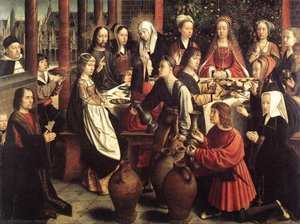
In the quiet, hallowed halls of art history, few images command as much reverence as The Last Supper by the Early Netherlandish master Dieric Bouts. Created around 1467, this profound work serves as a window into a sacred moment, capturing the heavy atmosphere of Christ’s final meal with his apostles. Unlike the dramatic, sweeping gestures found in later Italian Renaissance works, Bouts invites us into a space of subtle solemnity and deep psychological introspection. The scene unfolds within a meticulously rendered dining room, where the weight of impending betrayal hangs invisibly over a table set with delicate bowls, cups, and wine glasses. As we gaze upon the gathered figures, we are not merely observers of a historical event, but witnesses to a profound human drama, where every glance and every stillness speaks of loyalty, fear, and divine purpose.
The artistry of Bouts is defined by his ability to marry meticulous realism with an innovative use of perspective. As a pioneer of the Northern Renaissance, he utilized the burgeoning techniques of oil painting to achieve a level of detail that feels almost tactile. One can almost sense the cool air of the room and the texture of the linens spread across the table. His mastery lies in his restraint; rather than relying on overt emotional outbursts, Bouts uses light and composition to guide the eye through the complex arrangement of the twelve apostles. The way light catches the rim of a glass or illuminates the thoughtful expression on a disciple's face creates a sense of unprecedented realism that draws the viewer into the very heart of the gathering.
Beyond its surface beauty, this masterpiece is a rich tapestry of theological symbolism. As part of the larger Altarpiece of the Holy Sacrament, the painting functions as more than just a depiction of a meal; it is an exploration of the Eucharist and the institution of a sacred covenant. The arrangement of the figures, the placement of the vessels, and the quiet tension between the apostles all serve to reinforce the gravity of the moment. Bouts employs a sophisticated iconographic language that rewards the patient observer, embedding layers of meaning within the mundane objects of the feast. For the collector or the enthusiast, this depth ensures that the painting remains a subject of endless discovery, offering new insights with every viewing.
For those looking to bring a piece of this historical grandeur into a contemporary space, a high-quality reproduction of The Last Supper offers an unparalleled opportunity. Whether placed in a grand library, a sophisticated dining room, or a curated gallery wall, the painting acts as a powerful focal point that commands respect and invites contemplation. Its muted, earthy palette and classical composition harmonize beautifully with both traditional and modern interior designs, providing a sense of timelessness and intellectual depth. To possess such a work is to hold a fragment of the 15th century, a piece of the soul of Flanders, preserved through the enduring legacy of Dieric Bouts.


1410 - 1475


Будьте в курсе последних новостей из мира искусства, эксклюзивных предложений и идей для оформления интерьера.
Расскажите нам о вашем проекте, и наши эксперты по искусству предложат вам 3 персонализированных варианта произведений искусства.
Мы подберем для вас 3 варианта — бесплатно!


 Поделиться

 Читать далее