


x


 Preview
 Заказать репродукцию Купить цифровое изображение
 Поделиться
 Детали произведения
 Добавить в избранное
 Скачать
 Похожие работы
 Рентгенография
 Слайд-шоу
 Масло на панелиEarly Netherlandish painting
 1467— Ренессанс
 180.0 x 150.0 cm
 Sint-Jacobskerk
Печать (жикле) или холст музейного качества с быстрыми сроками изготовления и широким выбором вариантов отделки.





























Выберите один из наших стандартных размеров, соответствующих оригинальным пропорциям произведения искусства.

Вы можете указать свои собственные размеры, чтобы репродукция идеально подошла под конкретную раму или пространство. Если выбранный вами размер не будет соответствовать пропорциям оригинала, мы либо обрежем произведение, либо дополним изображение зеркальным отражением краев или однотонной заливкой. Перед началом производства вам будет отправлен цифровой макет для утверждения.
Пожалуйста, обратите внимание, что предварительный просмотр на экране не отображает фактическую обрезку или расширение изображения. Только макет точно покажет финальную композицию.
Несмотря на возможность заказа индивидуальных размеров, мы рекомендуем выбирать размер из предопределенного списка, чтобы сохранить оригинальные пропорции.
Доставка по всему миру () за 2 недели вместо стандартных 4/5 недель. (24 Июль)


The Last Supper
Размер репродукции
In the quiet, hallowed halls of art history, few images command as much reverence as The Last Supper by the Early Netherlandish master Dieric Bouts. Created around 1467, this profound work serves as a window into a sacred moment, capturing the heavy atmosphere of Christ’s final meal with his apostles. Unlike the dramatic, sweeping gestures found in later Italian Renaissance works, Bouts invites us into a space of subtle solemnity and deep psychological introspection. The scene unfolds within a meticulously rendered dining room, where the weight of impending betrayal hangs invisibly over a table set with delicate bowls, cups, and wine glasses. As we gaze upon the gathered figures, we are not merely observers of a historical event, but witnesses to a profound human drama, where every glance and every stillness speaks of loyalty, fear, and divine purpose.
The artistry of Bouts is defined by his ability to marry meticulous realism with an innovative use of perspective. As a pioneer of the Northern Renaissance, he utilized the burgeoning techniques of oil painting to achieve a level of detail that feels almost tactile. One can almost sense the cool air of the room and the texture of the linens spread across the table. His mastery lies in his restraint; rather than relying on overt emotional outbursts, Bouts uses light and composition to guide the eye through the complex arrangement of the twelve apostles. The way light catches the rim of a glass or illuminates the thoughtful expression on a disciple's face creates a sense of unprecedented realism that draws the viewer into the very heart of the gathering.
Beyond its surface beauty, this masterpiece is a rich tapestry of theological symbolism. As part of the larger Altarpiece of the Holy Sacrament, the painting functions as more than just a depiction of a meal; it is an exploration of the Eucharist and the institution of a sacred covenant. The arrangement of the figures, the placement of the vessels, and the quiet tension between the apostles all serve to reinforce the gravity of the moment. Bouts employs a sophisticated iconographic language that rewards the patient observer, embedding layers of meaning within the mundane objects of the feast. For the collector or the enthusiast, this depth ensures that the painting remains a subject of endless discovery, offering new insights with every viewing.
For those looking to bring a piece of this historical grandeur into a contemporary space, a high-quality reproduction of The Last Supper offers an unparalleled opportunity. Whether placed in a grand library, a sophisticated dining room, or a curated gallery wall, the painting acts as a powerful focal point that commands respect and invites contemplation. Its muted, earthy palette and classical composition harmonize beautifully with both traditional and modern interior designs, providing a sense of timelessness and intellectual depth. To possess such a work is to hold a fragment of the 15th century, a piece of the soul of Flanders, preserved through the enduring legacy of Dieric Bouts.

1410 - 1475

Погрузитесь в мир Раннего нидерландского живописи! Откройте 10 шедевров Яна ван Эйка, Рогира ван дер Вейдена и других мастеров. История искусства, техника исполнения и вдохновение для вашего интерьера на Most-Famous-Paintings.com.

Explore the captivating world of Early Netherlandish painting! Discover Jan van Eyck & other Flemish masters, their revolutionary techniques, hidden symbolism, and lasting legacy. A comprehensive guide for art enthusiasts.

Погрузитесь в мир Раннего Нидерландского Возрождения! Узнайте истории создания шедевров Яна ван Эйка, Кампена и других великих мастеров. Купите высококачественные репродукции картин для вашего интерьера на Most-Famous-Paintings.com.
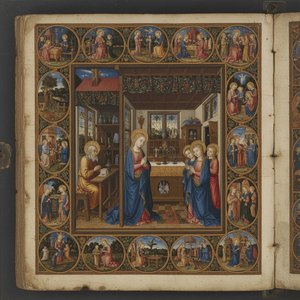
Explore the revolutionary work of Robert Campin, a pioneer of Early Netherlandish painting. Discover his naturalistic style, religious symbolism in masterpieces like the Mérode Altarpiece, and lasting influence on art history.

Explore the captivating world of Early Netherlandish painting! Discover Jan van Eyck, Hans Memling & more. Uncover symbolism, techniques & the legacy of these Flemish masters. A comprehensive guide for art enthusiasts.


Будьте в курсе последних новостей из мира искусства, эксклюзивных предложений и идей для оформления интерьера.
Расскажите нам о вашем проекте, и наши эксперты по искусству предложат вам 3 персонализированных варианта произведений искусства.
Мы подберем для вас 3 варианта — бесплатно!


 Поделиться

 Читать далее







 Вариант со стеклом доступен только для размеров менее 110 см


