x

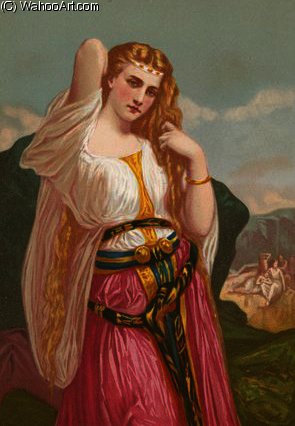
 Заказать репродукцию Купить цифровое изображение
 Поделиться
 Детали произведения
 Добавить в избранное
 Скачать
 Похожие работы
 Рентгенография
 Слайд-шоу
Печать (жикле) или холст музейного качества с быстрыми сроками изготовления и широким выбором вариантов отделки.
Выберите один из наших стандартных размеров, соответствующих оригинальным пропорциям произведения искусства.

Вы можете указать свои собственные размеры, чтобы репродукция идеально подошла под конкретную раму или пространство. Если выбранный вами размер не будет соответствовать пропорциям оригинала, мы либо обрежем произведение, либо дополним изображение зеркальным отражением краев или однотонной заливкой. Перед началом производства вам будет отправлен цифровой макет для утверждения.
Пожалуйста, обратите внимание, что предварительный просмотр на экране не отображает фактическую обрезку или расширение изображения. Только макет точно покажет финальную композицию.
Несмотря на возможность заказа индивидуальных размеров, мы рекомендуем выбирать размер из предопределенного списка, чтобы сохранить оригинальные пропорции.
Доставка по всему миру () за 2 недели вместо стандартных 4/5 недель. (18 Июль)


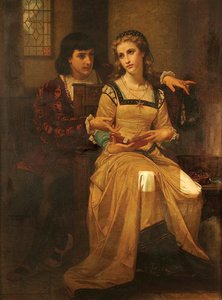
Jephtha's daughter
Размер репродукции

1822 - 1881 , Франция

Погрузитесь в мир графики! Топ-10 знаменитых картин, где доминируют серые и графитовые тона. Узнайте историю создания шедевров, технику художников и вдохновитесь для интерьера с Most-Famous-Paintings. Explore the full collection online!

Откройте для себя 10 легендарных шедевров масляной живописи на доске, изменивших искусство! Узнайте истории великих художников и их бессмертных произведений. Репродукции картин высокого качества от Most-Famous-Paintings.com – вдохновение для вашего интерьера. Explore the full collection online!

Погрузитесь в мир Эдварда Мунка! Топ-25 шедевров экспрессионизма, полных эмоций и символизма. Узнайте истории создания знаменитых картин "Крик", "Мадонна" и других. Репродукции музейного качества для вашего интерьера на Most-Famous-Paintings.com.

Transform cherished photos into timeless oil paintings with skilled artists. Trusted for bespoke portraits & heirloom art. Discover the process, styles & lasting value – a legacy preserved.

Создание эксклюзивных репродукций и картин маслом на заказ от профессиональных художников. Реставрация шедевров с гарантией качества! Most-Famous-Paintings.com – ваш надежный партнер в мире искусства.


Будьте в курсе последних новостей из мира искусства, эксклюзивных предложений и идей для оформления интерьера.
Расскажите нам о вашем проекте, и наши эксперты по искусству предложат вам 3 персонализированных варианта произведений искусства.
Мы подберем для вас 3 варианта — бесплатно!


 Поделиться


 Читать далее




































 Вариант со стеклом доступен только для размеров менее 110 см