x


 Oil On PanelGerman Expressionism
 1913
1913 121.0 x 151.0 cm
 Hamburger Kunsthalle
Hand-painted oil on canvas in your size and frame, made to order by our artists.





























Pick from our preset sizes that match the artwork's original proportions.

You may enter your own dimensions to fit a specific frame or space. If your selected size does not match the original image's proportions, we will either crop the artwork or extend the painting with additional hand-painted elements. A digital mockup will be sent for your approval before production begins.
Please note that the on-screen preview does not reflect the actual cropping or extension. Only the mockup will accurately show the final composition.
While custom sizes are available, we recommend selecting a dimension from the predefined list to preserve the original proportions.
Worldwide Delivery () in 3/4 weeks instead of standard 5 weeks. (18 July). No compromise on quality.


Gut Staberhof, Fahmarn I
Reproduction Size
Ernst Ludwig Kirchner's 1913 painting, *Gut Staberhof, Fahmarn I*, is more than a simple depiction of a coastal building; it’s a potent distillation of the anxieties and emotional turbulence simmering beneath the surface of early 20th-century Germany. Housed within the Hamburger Kunsthalle, this oil on panel offers a compelling window into Kirchner's unique brand of Expressionism – a style characterized by bold color palettes, distorted forms, and an intensely subjective portrayal of experience. The painting immediately draws the eye to its dominant hue: a vibrant, almost unsettling yellow that saturates the structure at the heart of the composition. This isn’t the warm, inviting yellow of a traditional farmhouse; it feels charged, perhaps even feverish, hinting at an underlying tension within the scene.
Kirchner's artistic journey began with an interest in architecture but quickly gravitated towards painting, influenced by masters like Albrecht Dürer and driven by a rejection of academic conventions. He collaborated closely with fellow Expressionist artists Fritz Bleyl and Karl Schmidt-Rottluff. The choice of Fahmarn I, a small island off the coast of Schleswig-Holstein, adds another layer to the work’s interpretation. The coastline itself held a particular fascination for Kirchner, representing both a connection to nature and a sense of isolation – themes frequently explored in his oeuvre. The painting captures a fleeting moment, a snapshot of rural life viewed through an emotionally heightened lens.
The composition is deceptively simple yet remarkably effective. A substantial yellow building, resembling a church or perhaps a fortified manor house, dominates the foreground. Its dome roof and multiple windows suggest a sense of solidity and permanence, qualities that are immediately undermined by Kirchner’s expressive brushwork and the unsettling color choice. Two figures stand before it – their forms rendered with a deliberate lack of detail, almost dissolving into the surrounding landscape. Their presence is ambiguous; they could be locals, visitors, or simply ghosts inhabiting this isolated space. The background unfolds in layers of dark trees, creating depth and suggesting an impenetrable wilderness.
Adding to the painting’s intrigue is a single bird soaring above the building. This small detail, often overlooked, carries significant symbolic weight within Kirchner's work. Birds frequently represented freedom, escape, or even impending doom – concepts that resonate powerfully within the context of a rapidly changing and increasingly uncertain world. The color of the building itself—that insistent yellow—is particularly noteworthy. It’s not merely descriptive; it evokes feelings of unease, perhaps reflecting anxieties about industrialization, social upheaval, and the loss of traditional values.
Kirchner's masterful use of color and form is central to understanding *Gut Staberhof, Fahmarn I*. He employed a technique known as “cloisonnism,” where shapes are outlined with dark pigment, creating a sense of separation and emphasizing the flatness of the surface. This approach further contributes to the painting’s unsettling atmosphere. The brushstrokes themselves are visible and energetic, conveying a feeling of urgency and emotional intensity. The distortion of perspective and the simplification of forms align perfectly with the core tenets of Expressionism – an artistic movement dedicated to expressing inner feelings rather than simply representing external reality.
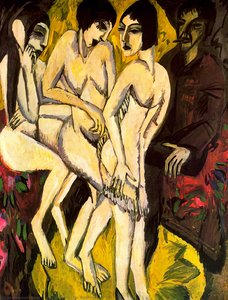
*Gut Staberhof, Fahmarn I* stands as a powerful testament to Kirchner’s unique vision and his profound engagement with the emotional landscape of his time. Alongside works like *Reheinbrücke* and *Urteil des Paris*, this painting exemplifies his ability to transform personal anxieties into universally resonant images. For those seeking to experience the raw emotion and innovative technique of Ernst Ludwig Kirchner, Most-Famous-Paintings.com offers meticulously crafted hand-painted reproductions that faithfully capture the essence of this remarkable artwork. Consider bringing this evocative piece into your home or office – a vibrant reminder of the complexities and contradictions of the modern world.

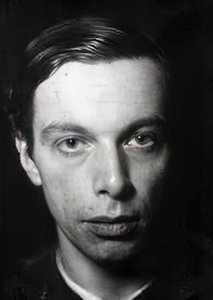
1880 - 1938 , Germany

Journey through 25 iconic artworks at the Metropolitan Museum of Art! Explore Van Gogh, Monet, Rembrandt & more. Discover art history, inspiring stories, and museum-quality reproductions to elevate your home decor. Explore the full collection on Most-Famous-Paintings.com.
Delve into the haunting world of Egon Schiele with our curated selection of his 25 most iconic Expressionist paintings. Explore the artist's life, technique & emotional depth. Find museum-quality Schiele reproductions and elevate your home decor on Most-Famous-Paintings.com.
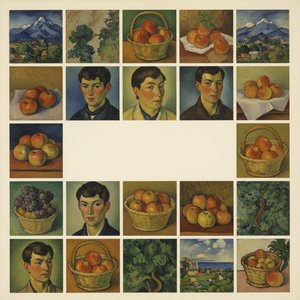
Journey through 25 iconic artworks by Paul Cézanne – a master of Impressionism and Post-Impressionism. Explore his landscapes, still lifes, and the stories behind these timeless masterpieces. Discover museum-quality reproductions & curated decor at Most-Famous-Paintings.com.
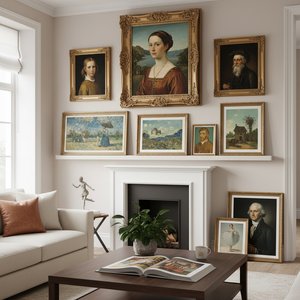
Explore 25 iconic artworks from Washington DC's National Gallery of Art! Discover masterpieces by Cézanne, Matisse & Picasso. Find museum-quality art reproductions and elevate your home decor with timeless paintings. Explore the full collection online at Most-Famous-Paintings.com.
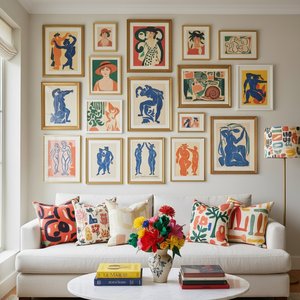
Journey through Henri Matisse's 25 most iconic paintings! Explore Fauvism, vibrant colors & the stories behind masterpieces like 'The Dance'. Find museum-quality art reproductions and curated decor ideas to elevate your space. Discover all masterpieces on Most-Famous-Paintings.com.


Stay updated with the latest art news, exclusive offers, and decoration ideas.
Tell us about your project and our art experts will provide you with 3 personalized art suggestions.
Let Us Curate 3 Options Just for You - Free!


 Buy print
 Send
Send Share
Share
 Details

 Download
 Similars
 X-Ray
X-Ray Diaporama
 Read More







 Glass option is only available in size under 110 CM