x


 Oil On PanelImpressionism
 1875Early Modern
 29.0 x 21.0 cm
Hand-painted oil on canvas in your size and frame, made to order by our artists.





























Pick from our preset sizes that match the artwork's original proportions.

You may enter your own dimensions to fit a specific frame or space. If your selected size does not match the original image's proportions, we will either crop the artwork or extend the painting with additional hand-painted elements. A digital mockup will be sent for your approval before production begins.
Please note that the on-screen preview does not reflect the actual cropping or extension. Only the mockup will accurately show the final composition.
While custom sizes are available, we recommend selecting a dimension from the predefined list to preserve the original proportions.
Worldwide Delivery () in 3/4 weeks instead of standard 5 weeks. (18 July). No compromise on quality.


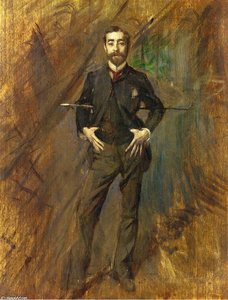
A Friend of the Marquis
Reproduction Size
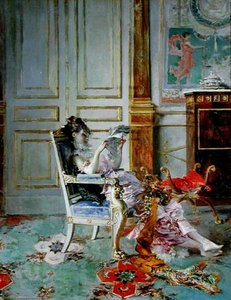
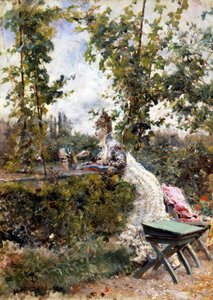
Giovanni Boldini's "A Friend of the Marquis" (1875) is more than just a portrait; it’s a window into the opulent and leisurely world of late 19th-century Parisian society. This oil on panel painting, measuring 29 x 21 cm, captures an intimate moment between two figures within a lavishly decorated interior, showcasing Boldini's mastery of Impressionistic techniques and his keen eye for capturing fleeting moments of elegance and social interaction.
Boldini’s style in "A Friend of the Marquis" is characterized by its loose brushwork, vibrant colors, and a sense of movement that defines Impressionism. Unlike more rigid academic styles, Boldini embraced spontaneity, allowing his brushstrokes to dance across the canvas, creating a shimmering effect on fabrics and surfaces. The painting's atmosphere suggests a relaxed social gathering – perhaps a private conversation or a game in progress. The influence of artists like Pierre-Auguste Renoir is evident in the way Boldini uses light and color to create a sense of warmth and intimacy. His technique, often described as the "Master of Swish," reflects his ability to capture movement and energy with remarkable fluidity.
The composition itself is rich with detail that contributes to the painting's narrative. A large mirror on the wall not only adds depth but also subtly reflects the surrounding environment, hinting at a larger world beyond the immediate scene. The presence of a small white dog nestled near the foreground and a cat perched on the right side introduces elements of domesticity and companionship, further emphasizing the relaxed atmosphere. These animals are symbolic of loyalty and affection, enriching the emotional context of the portrait. The clothing worn by the figures – the woman’s vibrant green gown and the man's distinguished red coat – speaks to their social standing and adds a touch of theatrical flair.
"A Friend of the Marquis" was created during a period of significant social change in Paris. The Belle Époque, marked by economic prosperity and artistic innovation, fostered a culture of leisure and refinement. Boldini’s painting encapsulates this spirit, offering a glimpse into the lives of the Parisian elite. Beyond its aesthetic appeal, the artwork evokes a sense of nostalgia for a bygone era – an age of elegance, sophistication, and leisurely pursuits. The subtle tension between the figures, hinted at by their body language and expressions, adds a layer of intrigue, inviting viewers to contemplate the complexities of social relationships within this privileged world.
Experience the beauty and charm of Giovanni Boldini's "A Friend of the Marquis" with a meticulously crafted, handmade oil painting reproduction. These reproductions capture the essence of the original artwork, allowing you to bring a touch of Parisian elegance into your home or office. Whether you are an art enthusiast, a collector seeking unique pieces, or an interior designer looking for statement artworks, this reproduction offers a timeless and captivating addition to any space.


1842 - 1931 , Italy
Journey through 25 iconic artworks by Paul Cézanne – a master of Impressionism and Post-Impressionism. Explore his landscapes, still lifes, and the stories behind these timeless masterpieces. Discover museum-quality reproductions & curated decor at Most-Famous-Paintings.com.

Explore 10 iconic portrait paintings – from Mona Lisa to Van Gogh’s self-portraits. Discover the stories behind these masterpieces, artistic techniques & find museum-quality art reproductions for your home at Most-Famous-Paintings.com.

Journey through 25 iconic Claude Monet masterpieces! Explore Impressionism’s beauty, from Water Lilies to Rouen Cathedral. Discover stunning art reproductions & curated decor ideas – explore the full collection online at Most-Famous-Paintings.com.
Explore 25 captivating portraits by Sir Joshua Reynolds, a master of British art. Discover stories behind his iconic paintings, elegant style & historical influence. Find museum-quality reproductions and elevate your home decor on Most-Famous-Paintings.com.
Explore 10 iconic gray paintings by masters like Rembrandt, Hopper & Whistler. Discover the stories behind these atmospheric artworks and find museum-quality art reproductions for your home decor at . Explore the full collection online.


Stay updated with the latest art news, exclusive offers, and decoration ideas.
Tell us about your project and our art experts will provide you with 3 personalized art suggestions.
Let Us Curate 3 Options Just for You - Free!


 Buy print
 Send
Send Share
Share
 Details

 Download
 Similars
 X-Ray
X-Ray Diaporama
 Read More







 Glass option is only available in size under 110 CM