x


 Oil On CanvasWallArtBelle Époque
 186419th Century
 67.0 x 53.0 cm
Hand-painted oil on canvas in your size and frame, made to order by our artists.





























Pick from our preset sizes that match the artwork's original proportions.

You may enter your own dimensions to fit a specific frame or space. If your selected size does not match the original image's proportions, we will either crop the artwork or extend the painting with additional hand-painted elements. A digital mockup will be sent for your approval before production begins.
Please note that the on-screen preview does not reflect the actual cropping or extension. Only the mockup will accurately show the final composition.
While custom sizes are available, we recommend selecting a dimension from the predefined list to preserve the original proportions.
Worldwide Delivery () in 3/4 weeks instead of standard 5 weeks. (18 July). No compromise on quality.


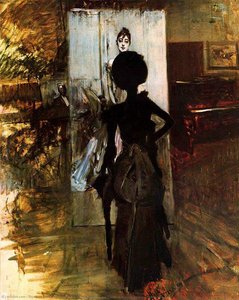
Lilia Monti née Countess Magnoni
Reproduction Size
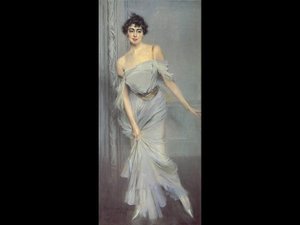
To gaze upon Giovanni Boldini's portrait, Lilia Monti née Countess Magnoni, is to step directly into the shimmering, sophisticated heart of the late nineteenth century. Painted in 1864, this work transcends a mere likeness; it is a vibrant encapsulation of aristocratic grace and burgeoning modern confidence. The subject herself commands attention with an almost palpable magnetism. Her direct gaze meets the viewer's eye with an unwavering self-possession, suggesting a spirit both refined by society and fiercely individual. Boldini, ever the master observer of human emotion veiled beneath layers of exquisite fashion, has captured not just Lilia Monti, but the very essence of her captivating presence.
Technically, this portrait is a breathtaking display of Boldini's unparalleled skill. Executed in oil on canvas, the paint seems to breathe with life. Observe the meticulous rendering of the black dress—the deep folds and subtle sheen speak volumes about the quality of the materials and the artist’s hand. Yet, it is the contrast provided by her long, rich red hair and the striking red bow that draws the eye immediately. Boldini employed a technique characterized by its remarkable energy; his brushwork, while detailed enough to capture every strand of hair, possesses an underlying spontaneity that hints at the Impressionist currents influencing Parisian art. This liveliness prevents the portrait from feeling static, imbuing it instead with a sense of momentary perfection.
The symbolism within this piece is subtle yet profound. The deep black attire speaks to formality and enduring elegance, while the vibrant red accents—the hair and the bow—act as focal points, perhaps symbolizing passion or vitality beneath a veneer of societal composure. In the context of 1860s Italian society, such portraits served not only as memorials but as statements of status and connection. Boldini understood that his sitters were figures of importance, and he painted them with an almost flattering grandeur, ensuring that their accomplishments and beauty resonated through time.
For the collector or designer seeking to infuse a space with historical depth and undeniable glamour, this reproduction offers an unparalleled opportunity. Owning a piece echoing Boldini’s touch means acquiring more than just art; it is acquiring a fragment of Belle Époque romance. The rich tonality and bold composition make it a stunning centerpiece for drawing rooms, libraries, or any setting that celebrates cultivated taste. By choosing a high-quality hand-painted reproduction, you invite the masterful energy of Boldini’s studio directly into your modern life, allowing the confidence radiating from Lilia Monti to elevate the entire atmosphere.


1842 - 1931 , Italy

Journey through 25 iconic artworks at the Metropolitan Museum of Art! Explore Van Gogh, Monet, Rembrandt & more. Discover art history, inspiring stories, and museum-quality reproductions to elevate your home decor. Explore the full collection on Most-Famous-Paintings.com.

Explore 10 iconic portrait paintings – from Mona Lisa to Van Gogh’s self-portraits. Discover the stories behind these masterpieces, artistic techniques & find museum-quality art reproductions for your home at Most-Famous-Paintings.com.
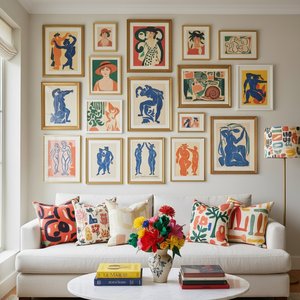
Journey through Henri Matisse's 25 most iconic paintings! Explore Fauvism, vibrant colors & the stories behind masterpieces like 'The Dance'. Find museum-quality art reproductions and curated decor ideas to elevate your space. Discover all masterpieces on Most-Famous-Paintings.com.
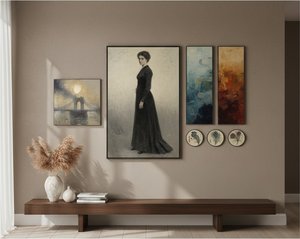
Journey through 25 iconic James Abbott McNeill Whistler paintings! Explore his masterpieces of Aestheticism, from 'Nocturne in Black and Gold' to captivating portraits. Find museum-quality art reproductions & elevate your home decor with Most-Famous-Paintings.com. Discover the full collection online.
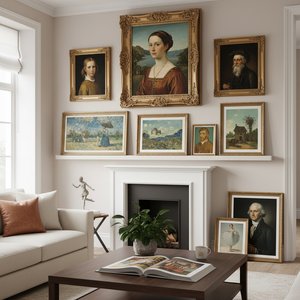
Explore 25 iconic artworks from Washington DC's National Gallery of Art! Discover masterpieces by Cézanne, Matisse & Picasso. Find museum-quality art reproductions and elevate your home decor with timeless paintings. Explore the full collection online at Most-Famous-Paintings.com.


Stay updated with the latest art news, exclusive offers, and decoration ideas.
Tell us about your project and our art experts will provide you with 3 personalized art suggestions.
Let Us Curate 3 Options Just for You - Free!


 Buy print
 Send
Send Share
Share
 Details

 Download
 Similars
 X-Ray
X-Ray Diaporama
 Read More







 Glass option is only available in size under 110 CM