x


 Oil On CanvasWallArtImpressionism
 188719th Century
 113.0 x 125.0 cm
Museum-quality giclée or canvas print with fast production and flexible finish options.





























Pick from our preset sizes that match the artwork's original proportions.

You may enter your own dimensions to fit a specific frame or space. If your selected size does not match the original image's proportions, we will either crop the artwork or extend the image with a mirrored or solid-fill edge. A digital mockup will be sent for your approval before production begins.
Please note that the on-screen preview does not reflect the actual cropping or extension. Only the mockup will accurately show the final composition.
While custom sizes are available, we recommend selecting a dimension from the predefined list to preserve the original proportions.
Worldwide Delivery () in 2 weeks instead of standard 4/5 weeks. (18 July)


The Red Café
Reproduction Size
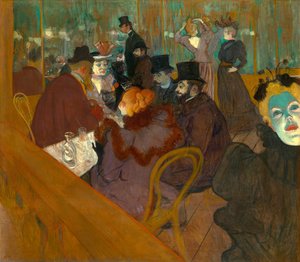
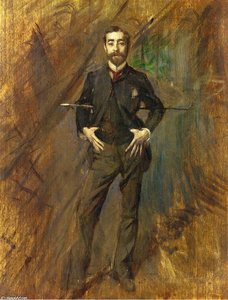
To stand before Giovanni Boldini's The Red Café is not merely to observe a painting; it is to step directly into the effervescent heart of late nineteenth-century Parisian society. This oil on canvas, executed in 1887, captures more than just a gathering of people within richly colored walls—it arrests a moment of pure, unadulterated conviviality. The air itself seems thick with whispered conversations, the clinking of unseen glasses, and the vibrant energy that characterized the Belle Époque. Boldini, ever the master chronicler of human interaction, has gifted us a scene brimming with life, where every gesture tells a story.
Technically, The Red Café is a dazzling display of Boldini's unparalleled skill. His signature touch—those bold, confident brushstrokes—are visible upon closer inspection, lending the entire composition a palpable sense of movement and spontaneity. The choice of oil on canvas allowed him to build up layers of color that vibrate against one another. Notice how the deep, enveloping red of the café walls serves not as a mere backdrop, but as an active participant in the drama, intensifying the warmth and intimacy of the scene. Light plays across the figures, catching the sheen of fabric and the animated expressions on their faces, giving the entire tableau a remarkable depth that seems to breathe off the canvas.
The composition itself is a masterful arrangement of humanity. People are depicted in various states: some seated at tables, perhaps deep in discussion; others standing, caught mid-laugh or engaged in animated exchange. The inclusion of empty chairs and casually placed handbags subtly grounds the scene in reality, suggesting that this moment, while captured forever, was merely one pause in a continuous flow of social engagement. Boldini possesses an uncanny ability to capture not just portraits, but the very spirit of the gathering—the shared joy, the intellectual sparring, and the effortless elegance of those who frequented such fashionable haunts.
For the contemporary admirer or designer, The Red Café offers more than just aesthetic beauty; it offers an emotional resonance. It speaks to the enduring human need for connection and shared experience. Reproducing this work allows one to bring a piece of historical glamour into modern living spaces. Imagine its presence in a grand salon or a richly decorated dining area—it acts as a vibrant focal point, instantly elevating the atmosphere with its palpable sense of history and sophisticated gaiety. It is an invitation to pause, reflect on connection, and bask in the enduring allure of human company.


1842 - 1931 , Italy
Journey through Henri Matisse's 25 most iconic paintings! Explore Fauvism, vibrant colors & the stories behind masterpieces like 'The Dance'. Find museum-quality art reproductions and curated decor ideas to elevate your space. Discover all masterpieces on Most-Famous-Paintings.com.

Journey through 25 iconic artworks at the Metropolitan Museum of Art! Explore Van Gogh, Monet, Rembrandt & more. Discover art history, inspiring stories, and museum-quality reproductions to elevate your home decor. Explore the full collection on Most-Famous-Paintings.com.
Journey through 25 iconic James Abbott McNeill Whistler paintings! Explore his masterpieces of Aestheticism, from 'Nocturne in Black and Gold' to captivating portraits. Find museum-quality art reproductions & elevate your home decor with Most-Famous-Paintings.com. Discover the full collection online.

Explore 25 iconic artworks from Washington DC's National Gallery of Art! Discover masterpieces by Cézanne, Matisse & Picasso. Find museum-quality art reproductions and elevate your home decor with timeless paintings. Explore the full collection online at Most-Famous-Paintings.com.
Explore 25 iconic Mark Rothko paintings that define Abstract Expressionism. Discover the stories, colors & emotions behind these masterpieces. Find museum-quality art reproductions and curated decor ideas at Most-Famous-Paintings.com.


Stay updated with the latest art news, exclusive offers, and decoration ideas.
Tell us about your project and our art experts will provide you with 3 personalized art suggestions.
Let Us Curate 3 Options Just for You - Free!


 Buy Painting
 Send
Send Share
Share
 Details

 Download
 Similars
 X-Ray
X-Ray Diaporama
 Read More







 Glass option is only available in size under 110 CM