x


Hand-painted oil on canvas in your size and frame, made to order by our artists.





























Pick from our preset sizes that match the artwork's original proportions.

You may enter your own dimensions to fit a specific frame or space. If your selected size does not match the original image's proportions, we will either crop the artwork or extend the painting with additional hand-painted elements. A digital mockup will be sent for your approval before production begins.
Please note that the on-screen preview does not reflect the actual cropping or extension. Only the mockup will accurately show the final composition.
While custom sizes are available, we recommend selecting a dimension from the predefined list to preserve the original proportions.
Worldwide Delivery () in 3/4 weeks instead of standard 5 weeks. (18 July). No compromise on quality.


golding constables flower garden
Reproduction Size
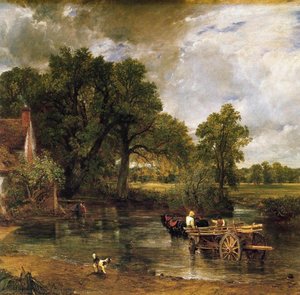
John Constable’s “Golding Constable’s Flower Garden,” painted in 1815, isn't merely a depiction of a rural scene; it’s a deeply felt meditation on family, place, and the enduring beauty of the English countryside. This exquisite oil-on-canvas work offers a rare glimpse into the private world of Golding Constable, John Constable’s father, and reveals a profound connection between man and nature that defined the artist's entire oeuvre. The painting captures a meticulously cultivated flower garden nestled within the familiar landscape of Suffolk, a region that would become inextricably linked to Constable’s artistic identity.
The composition is deceptively simple yet remarkably layered. A modest farmhouse, rendered in muted tones and subtly receding into the distance, anchors the scene, providing a sense of scale and domesticity. However, it's the vibrant explosion of color within the flower garden that immediately commands attention – a riot of blues, pinks, yellows, and whites arranged with an almost painterly abandon. The arrangement isn’t haphazard; there’s a deliberate order to the planting, suggesting a careful consideration of beauty and harmony.
Constable’s masterful technique is immediately apparent in the painting’s luminous quality. He employs a broken brushstroke method—a hallmark of his style—allowing light to dance across the canvas, creating an illusion of shimmering atmosphere. Notice how he captures the subtle shifts in color as sunlight filters through the foliage, and how he uses delicate washes to depict the textures of petals and leaves. This technique wasn’t simply about replicating reality; it was about conveying the *feeling* of being immersed in that particular moment, bathed in Suffolk light.
The painting's palette is restrained yet rich, dominated by earthy greens and browns contrasted with the vibrant hues of the flowers. Constable’s use of color isn’t flamboyant but rather deeply considered, reflecting his meticulous observation of nature. He expertly utilizes atmospheric perspective – objects in the distance appearing paler and less distinct – to create a sense of depth and space. The background trees are rendered in hazy blues and purples, subtly suggesting the vastness of the surrounding countryside.
“Golding Constable’s Flower Garden” is more than just a landscape; it's a poignant family portrait. The painting was created during a period of significant personal upheaval for Constable – his mother had recently died, and his father was gravely ill. The garden itself becomes symbolic of the family’s connection to the land, representing both their earthly existence and their enduring legacy. It’s believed that Constable painted these two works—the flower garden and its vegetable counterpart—as a way of preserving memories of his parents and their home.
Furthermore, the inclusion of figures – likely members of the family – adds another layer of meaning to the scene. They are not idealized heroes but rather ordinary people engaged in everyday activities, suggesting a celebration of rural life and familial bonds. The presence of two horses further reinforces this connection to agriculture and the rhythms of the countryside.
Ultimately, “Golding Constable’s Flower Garden” is a deeply moving work that speaks to the enduring power of nature and the importance of family. It invites us to slow down, observe, and appreciate the simple beauty of the world around us. Reproductions of this painting capture not only its visual splendor but also the emotional depth and quiet contemplation that define Constable’s artistic vision. Owning a high-quality reproduction allows you to bring this evocative scene into your home and connect with one of England's most beloved landscape painters.

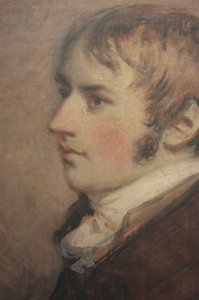
1776 - 1837 , United Kingdom

Explore the serene landscapes of John Fulleylove (1845-1908), a celebrated English artist. Discover his charming watercolours & oils, evocative travel illustrations, and lasting legacy. Learn about his life, exhibitions, and artistic style.

Explore the rich history of pastoral landscape art, from classical Arcadia to Impressionism & beyond. Discover key artists, movements, and how to collect serene rural scenes for your home. Expert insights at Most-Famous-Paintings.

Explore the rich history of rural life in painting! Discover Impressionist masterpieces, Italian Macchiaioli scenes & the enduring appeal of pastoral landscapes. Find your perfect artwork at Most-Famous-Paintings.

Explore the captivating world of Philip Connard (1875-1958), a leading British Impressionist painter renowned for his decorative landscapes and wartime artistry. Discover his life, legacy & available artworks at Most-Famous-Paintings.
Journey through John Constable's 25 most celebrated landscapes. Explore Romanticism, Dedham Vale & his masterful use of light in iconic paintings like 'Hay Wain'. Find museum-quality art reproductions and elevate your home decor on Most-Famous-Paintings.com.


Stay updated with the latest art news, exclusive offers, and decoration ideas.
Tell us about your project and our art experts will provide you with 3 personalized art suggestions.
Let Us Curate 3 Options Just for You - Free!


 Buy print
 Send
Send Share
Share
 Details

 Download
 Similars
 X-Ray
X-Ray Diaporama

 Read More







 Glass option is only available in size under 110 CM