x


 Oil On CanvasWallArtBaroque
 1665
1665 61.0 x 47.0 cm
 Rijksmuseum
Hand-painted oil on canvas in your size and frame, made to order by our artists.





























Pick from our preset sizes that match the artwork's original proportions.

You may enter your own dimensions to fit a specific frame or space. If your selected size does not match the original image's proportions, we will either crop the artwork or extend the painting with additional hand-painted elements. A digital mockup will be sent for your approval before production begins.
Please note that the on-screen preview does not reflect the actual cropping or extension. Only the mockup will accurately show the final composition.
While custom sizes are available, we recommend selecting a dimension from the predefined list to preserve the original proportions.
Worldwide Delivery () in 3/4 weeks instead of standard 5 weeks. (18 July). No compromise on quality.


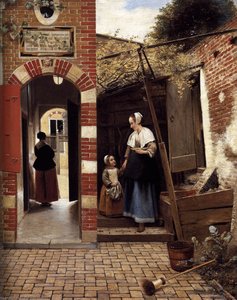
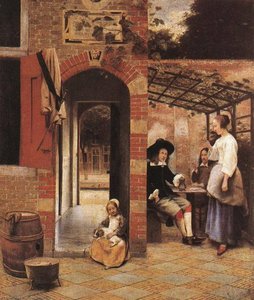
Village House (detail)
Reproduction Size
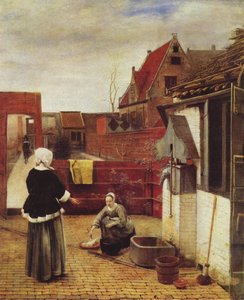
Pieter de Hooch’s “Village House (detail)” – a captivating oil painting completed in 1665 – transcends mere representation; it's an invitation to step back in time and observe the quiet elegance of the Dutch Golden Age. Captured with masterful realism infused with Baroque sensibilities, this artwork offers a glimpse into the daily rituals and social dynamics that defined aristocratic households during its era.
The painting's illumination is paramount—a single source of light emanating from above casts long shadows that delineate contours and imbue the scene with an atmosphere of intimacy. Color palettes are dominated by warm earth tones – reds, browns, ochres – accented by touches of gold and cream, reflecting the opulent tastes of the time.
More than just a depiction of a moment in time, “Village House” resonates with an emotional core—a quiet contemplation punctuated by subtle gestures of connection. It’s a testament to De Hooch's ability to capture the essence of human experience within the confines of a beautifully rendered architectural interior. This artwork continues to inspire collectors and designers alike who appreciate its understated grandeur and timeless appeal.


1629 - 1694 , Netherlands
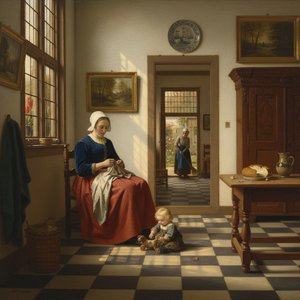
Explore the captivating world of Pieter de Hooch, a master of Dutch Golden Age painting. Discover his innovative use of light, intimate domestic scenes, and lasting influence on art history. Learn more at Most-Famous-Paintings.

APS ofrece reproducciones de bellas artes y encargos personalizados desde 2004. Confían en nosotros corporaciones, hoteles y coleccionistas selectos para obras de arte de calidad museística, servicio discreto y soluciones artísticas completas. ¡Póngase en contacto con nosotros para obtener un presupuesto personalizado!
Delve into the world of Francisco Goya with Most-Famous-Paintings. Explore 25 iconic paintings – from 'The Third of May' to his haunting Black Paintings. Discover the stories, techniques & emotions behind these Spanish masterpieces. Find museum-quality art reproductions for your home at Most-Famous-Paintings.com!

Journey into the Dutch Golden Age! Explore 10 iconic paintings by Rembrandt, Vermeer & Hals. Discover the stories behind these Baroque masterpieces and find museum-quality art reproductions to elevate your home decor on .
Explore the Dutch Golden Age of painting! Discover key artists like Vermeer & ter Borch, their innovative techniques, and the rich cultural context behind these Baroque masterpieces. Learn about collecting & appreciating this iconic art period.


Stay updated with the latest art news, exclusive offers, and decoration ideas.
Tell us about your project and our art experts will provide you with 3 personalized art suggestions.
Let Us Curate 3 Options Just for You - Free!


 Buy print
 Send
Send Share
Share
 Details

 Download
 Similars
 X-Ray
X-Ray Diaporama
 Read More







 Glass option is only available in size under 110 CM