Wishlist Shopping Cart Cart
Buy print Buy printBuy Image Buy Image SendSend
DetailsDetails Add to favorites Add to favorites DownloadDownload SimilarsSimilars X-RayX-Ray DiaporamaDiaporama

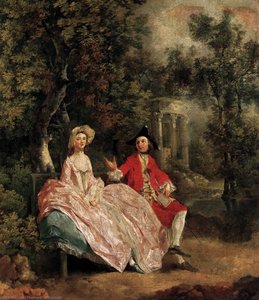
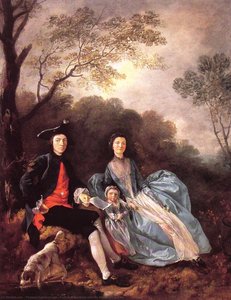
Mrs Mary Cobbold with Her Daughter Anne

Admire 'Mrs. Mary Cobbold with Her Daughter Anne' by Thomas Gainsborough (1752). A stunning 18th-century portrait showcasing aristocratic elegance & rural charm. Discover this masterpiece!

Thomas Gainsborough (1727-1788): Explore the elegant portraits & landscapes of this British master, Royal Academy founder & influence on Constable.

Hand Made Oil Reproduction

Hand-painted oil on canvas in your size and frame, made to order by our artists.

P118B $10
P118H $10
P118W $10
P438Z $10
P508JH $12
P508YH $12
P805H $10
P805Z $10
P919BZ $10
P919G $10
P919XJ $10
P959ZH $10
P968JZ $12
W106C $8
W218G $10
W218JH $8
W218Y $10
W307PJ $10
W316G $10
W316PJ $8
W316Y $10
W398PJ $8
W4111J $10
W500HY $15
W500JH $15
W692G $12
W849H $8
W940BG $15
W953PJ $8

Standard
custom
CM
INCH

Pick from our preset sizes that match the artwork's original proportions.

width
height

You may enter your own dimensions to fit a specific frame or space. If your selected size does not match the original image's proportions, we will either crop the artwork or extend the painting with additional hand-painted elements. A digital mockup will be sent for your approval before production begins.
Please note that the on-screen preview does not reflect the actual cropping or extension. Only the mockup will accurately show the final composition.
While custom sizes are available, we recommend selecting a dimension from the predefined list to preserve the original proportions.

Examples of what can be changed: Replace face with customer photo; Add pet (e.g., replace cat with dog); Include hidden message in background; Change background landscape or elements.
After order, Most-Famous-Paintings.com team will email client for instructions and provide a mockup preview

Worldwide Delivery () in 3/4 weeks instead of standard 5 weeks. (18 July). No compromise on quality.

why_choose_icon
Free Worldwide Express Shipping
why_choose_icon
High-Quality Linen Canvas
why_choose_icon
Full Shipping Insurance
why_choose_icon
Customs Tax Refund Guarantee
why_choose_icon
True Color Matching Guarantee
why_choose_icon
60-Day Return Policy (Defects Only)
why_choose_icon
100% Money-Back Guarantee
why_choose_icon
Bulk Discount Offer

Total Price

-

reproduction

Mrs Mary Cobbold with Her Daughter Anne

Reproduction Medium

Reproduction Size

-

Total Price

-

Quick Facts

  • Year: 1752
  • Medium: Oil on canvas
  • Title: Mrs Mary Cobbold with Her Daughter Anne
  • Artistic style: Rococo
  • Subject or theme: Family portraiture
  • Notable elements: Portrait of two women
  • Location: National Gallery, London

Art Quiz

There is only one correct answer for each question.

Question 1:
What is the primary subject of Thomas Gainsborough’s ‘Mrs. Mary Cobbold with Her Daughter Anne’?
Question 2:
In what year was ‘Mrs. Mary Cobbold with Her Daughter Anne’ painted?
Question 3:
The painting features a sheep and a dog. What does this detail likely symbolize?
Question 4:
Thomas Gainsborough was a key figure in which artistic movement?
Question 5:
What is the approximate size of ‘Mrs. Mary Cobbold with Her Daughter Anne’?

Artwork Description

The Canvas of a Moment: Thomas Gainsborough’s Masterpiece

Thomas Gainsborough's “Mrs. Mary Cobbold with Her Daughter Anne” isn’t merely a portrait; it’s a carefully constructed tableau vivant, a snapshot of 18th-century English life rendered with an exquisite blend of observation and artistic license. Painted in 1752, the work captures a fleeting moment within the idyllic landscape of Suffolk, offering a glimpse into the lives of a landed gentry family amidst the rolling hills and verdant fields that defined the region’s identity. The painting immediately draws the eye with its harmonious composition – a balanced arrangement of figures, foliage, and atmospheric light that speaks to Gainsborough's mastery of tonal gradation and his deep understanding of naturalism.

Mrs. Mary Cobbold with Her Daughter Anne by Thomas Gainsborough

A Study in Light and Texture: The Painter’s Technique

Gainsborough's technique is characterized by a remarkable fluidity and responsiveness to the subject. He employed a loose, expressive brushstroke – a hallmark of his style – that allows the paint to flow across the canvas, creating a sense of movement and immediacy. Note particularly how he captures the dappled sunlight filtering through the trees, imbuing the scene with an ethereal quality. The artist’s use of color is equally masterful; muted greens and browns dominate the landscape, providing a grounding contrast to the brighter tones of the women's clothing and the sheep in the foreground. Gainsborough skillfully layered thin glazes of paint to build up depth and luminosity, creating a surface that seems to shimmer with reflected light.

The composition itself is deceptively simple. The mother and daughter are seated on a rustic bench beneath an ancient oak tree, their postures relaxed yet dignified. Mary Cobbold, the matriarch, wears a pink gown adorned with delicate lace, her hand resting gracefully on her lap – a gesture of quiet authority and maternal warmth. Her young daughter, Anne, mirrors her posture, holding a blue umbrella as if shielding herself from the sun’s glare. The inclusion of the sheep and the dog adds to the scene's realism, grounding it in the everyday rhythms of rural life.

Symbolism and Social Context

Beyond its aesthetic beauty, “Mrs. Mary Cobbold with Her Daughter Anne” offers a subtle commentary on the social dynamics of 18th-century England. The painting reflects the importance of land ownership and family lineage within the gentry class. The setting – a picturesque landscape – symbolizes wealth, status, and connection to the natural world. The presence of the sheep further reinforces this association with rural prosperity. The portrait also subtly highlights the role of women in society—Mary Cobbold is depicted as a woman of grace and composure, embodying both domestic virtue and social standing.

A Legacy of Elegance: Reproduction and Display

Reproductions of “Mrs. Mary Cobbold with Her Daughter Anne” capture much of the original’s charm and atmosphere. When displayed in an interior setting, consider framing options that complement the painting's muted palette and delicate details. The artwork’s harmonious composition lends itself well to a variety of styles—from traditional country estates to contemporary spaces seeking a touch of timeless elegance. Its evocative depiction of rural life continues to resonate with viewers today, reminding us of the enduring beauty of the English countryside and the artistry of Thomas Gainsborough.


Artist Biography

A Suffolk Beginning: The Early Life and Artistic Awakening

The story of Thomas Gainsborough, one of Britain’s most celebrated artists, unfolds not within the confines of a grand academy or bustling metropolis, but in the tranquil market town of Sudbury, Suffolk. Born in 1727, the youngest son of John Gainsborough, a weaver and wool merchant, young Thomas displayed an innate artistic sensibility from a remarkably early age. While his siblings pursued more conventional paths, Thomas’s world rapidly became consumed by drawing and painting – miniature self-portraits and delicate landscapes blossoming from his hand even before he reached ten years old. This precocious talent wasn't merely a childhood pastime; it was the burgeoning of a vision that would reshape British art. His father, recognizing this unique gift, encouraged its development, setting young Thomas on a path diverging sharply from the family trade. The Suffolk countryside itself became his first studio, imbuing his later works with a deep and abiding love for the natural world – a characteristic that would distinguish him throughout his career. This early immersion in landscape wasn’t simply about replicating what he saw; it was about *feeling* the essence of the English countryside, an emotional resonance that would permeate his canvases for decades to come.

London and the Shaping of a Style: Influences and Early Commissions

In 1740, at the age of thirteen, Gainsborough journeyed to London, embarking on formal artistic training under Hubert Gravelot, a French engraver renowned for his elegant rococo style. This exposure proved pivotal, introducing him to refined techniques and fashionable aesthetics. However, it was his association with William Hogarth and the St Martin’s Lane Academy that truly began to mold his artistic identity. Initially influenced by Hogarth's narrative approach, Gainsborough soon charted his own course, developing a distinctive style characterized by its lightness of touch, fluid brushwork, and subtle color palettes. He absorbed lessons from various masters, yet resisted strict adherence to any single school, forging a path that blended observation with imagination. Returning to Sudbury after marrying Margaret Burr in 1746, Gainsborough established himself as a portraitist for the local gentry. This period honed his skills in capturing likenesses and character, but it was during his subsequent move to Ipswich, and later Bath, that he began attracting a more sophisticated clientele – individuals who appreciated not just accurate representation, but also artistic flair and emotional depth.

Bath and Beyond: Portraiture, Landscape, and Royal Patronage

The years spent in Bath (1759-1774) marked a significant turning point in Gainsborough’s career. The city was a hub of fashionable society, providing him with ample opportunities to paint portraits of the wealthy and influential. He quickly gained renown for his ability to capture not only physical resemblance but also the personality and social standing of his sitters. His portraits weren't merely depictions; they were statements about identity and status. However, even amidst the demands of portraiture, Gainsborough never abandoned his passion for landscape painting. In fact, he often seamlessly integrated landscapes into his portraits, creating compositions that celebrated both human subjects and the beauty of the natural world. This innovative approach – a hallmark of his style – set him apart from many of his contemporaries. The culmination of his success came with his move to London in 1774, where he established a studio on Pall Mall and became a founding member of the Royal Academy. He also secured royal patronage, becoming a favorite painter of King George III and Queen Charlotte, further solidifying his position as one of Britain’s leading artists. Mrs. Thomas Gainsborough, painted in 1785, exemplifies this period – an elegant portrait showcasing rococo style and muted tones.

A Legacy of Innovation: Enduring Appeal and Influence

Thomas Gainsborough died in 1788, leaving behind a body of work that continues to captivate audiences today. His influence on subsequent generations of British artists is undeniable. He liberated portraiture from rigid formality, infusing it with spontaneity and emotional resonance. His loose brushwork and atmospheric effects paved the way for the Impressionists, while his lyrical landscapes inspired artists like John Constable, who deeply admired Gainsborough’s ability to capture the spirit of the English countryside. Gainsborough's legacy extends beyond technique; it lies in his profound understanding of human character and his unwavering commitment to artistic expression. He wasn’t simply a painter of portraits or landscapes; he was a storyteller, a poet of light and color, and a visionary who transformed British art.

Exploring Gainsborough's World Today

Fortunately, the opportunity to experience Gainsborough’s genius firsthand remains readily available. Gainsborough’s House, in his birthplace of Sudbury, stands as a testament to his life and work, offering visitors an intimate glimpse into his early influences and artistic development. Christchurch Mansion in Ipswich houses a significant collection of Gainsborough paintings alongside works by Constable and other masters. Numerous museums across the United Kingdom and internationally display his masterpieces, including the National Gallery in London and the Metropolitan Museum of Art in New York. His work continues to be studied, analyzed, and celebrated, ensuring that his artistic vision will endure for generations to come. The enduring appeal of Gainsborough’s art lies not only in its technical brilliance but also in its timeless beauty and emotional depth – qualities that resonate with viewers across centuries. His paintings are a testament to the power of observation, imagination, and the enduring allure of the English landscape.
Thomas Gainsborough

Thomas Gainsborough

1727 - 1788 , United Kingdom

Quick Facts

  • Artistic Movement Or Style: Rococo, Portraiture
  • Artists Or Movements Influenced By This Artist:
    • John Constable
    • Impressionists
  • Artists Who Influenced This Artist:
    • Hubert Gravelot
    • William Hogarth
  • Date Of Birth: 1727
  • Date Of Death: 1788
  • Full Name: Thomas Gainsborough
  • Nationality: British
  • Notable Artworks:
    • Mrs. Thomas Gainsborough
    • Mr and Mrs Andrews
  • Place Of Birth (City And Country): Sudbury, UK
Explore artworks organized by themes, styles, and characteristics.