x

 Oil On CanvasWallArtRococo
 1776Early Modern
 127.0 x 102.0 cm
 Metropolitan Museum of Art
Hand-painted oil on canvas in your size and frame, made to order by our artists.
Pick from our preset sizes that match the artwork's original proportions.

You may enter your own dimensions to fit a specific frame or space. If your selected size does not match the original image's proportions, we will either crop the artwork or extend the painting with additional hand-painted elements. A digital mockup will be sent for your approval before production begins.
Please note that the on-screen preview does not reflect the actual cropping or extension. Only the mockup will accurately show the final composition.
While custom sizes are available, we recommend selecting a dimension from the predefined list to preserve the original proportions.
Worldwide Delivery () in 3/4 weeks instead of standard 5 weeks. (18 July). No compromise on quality.


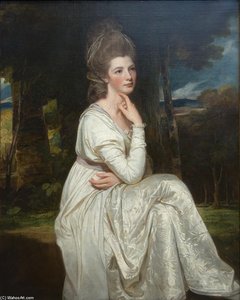
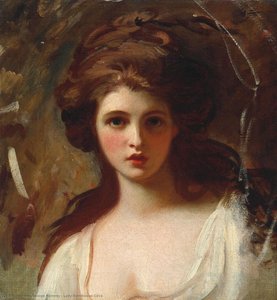
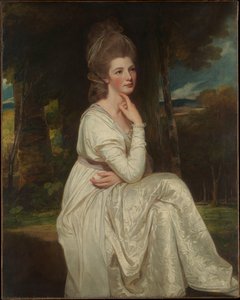
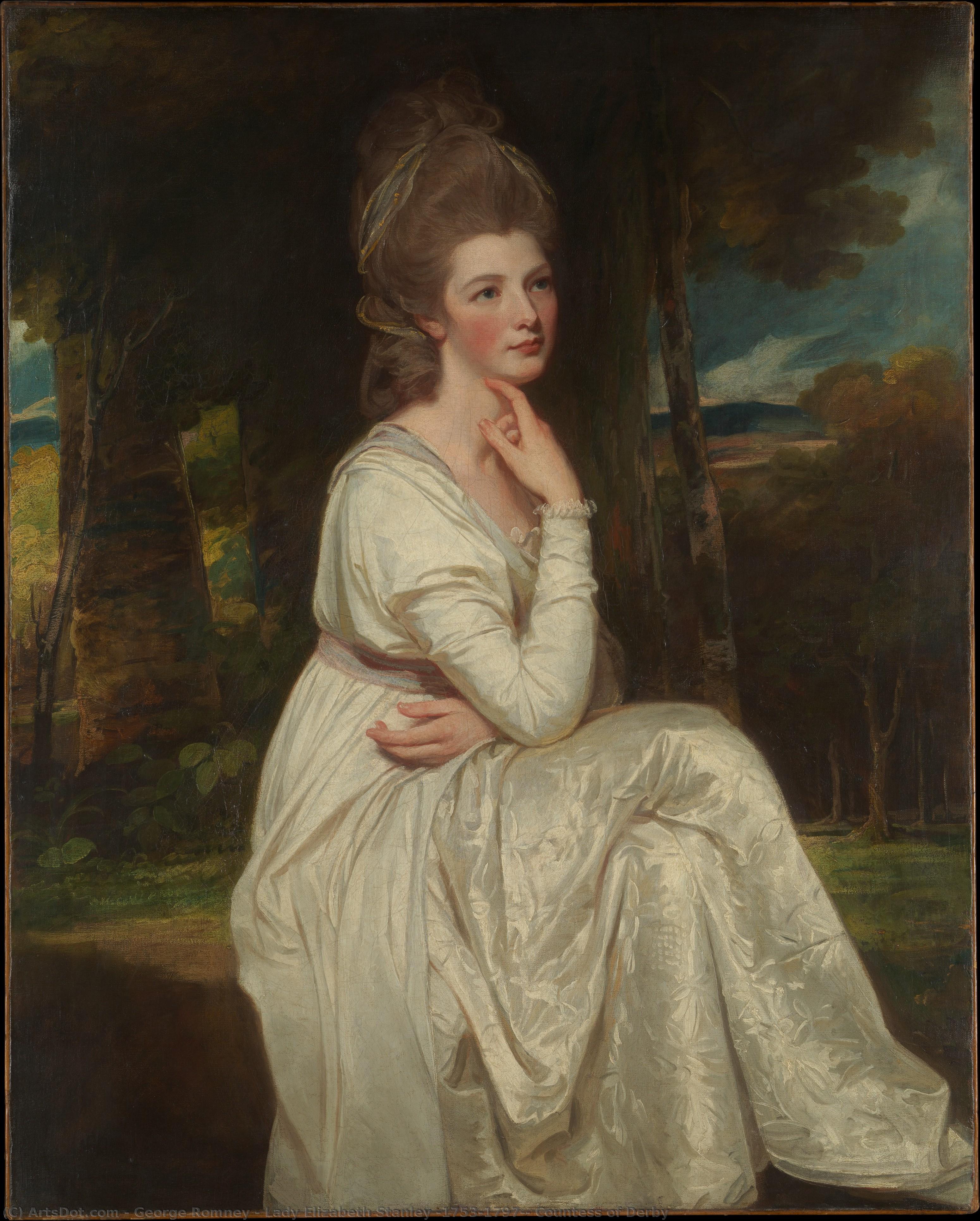
Lady Elizabeth Stanley (1753–1797), Countess of Derby
Reproduction Size
George Romney's portrait of Lady Elizabeth Stanley, Countess of Derby, painted in 1776, is a captivating example of late 18th-century British portraiture. This oil on canvas masterpiece, currently residing at The Metropolitan Museum of Art, offers a glimpse into the life and times of an aristocratic woman while showcasing Romney's exceptional skill in capturing both likeness and character.
Lady Elizabeth Stanley (1753–1797) was born into a prominent family and married James John Stanley, 12th Earl of Derby, in 1774. The portrait depicts her at the age of twenty-three, shortly after her marriage and motherhood. The era was characterized by elegance, refinement, and a growing interest in portraying individuals with psychological depth. Romney's work reflects this trend, moving beyond mere representation to convey a sense of personality and inner life.
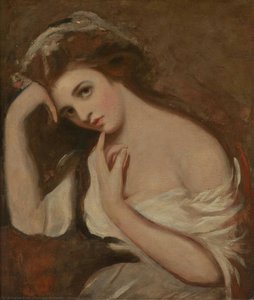
Romney’s style is rooted in the Rococo tradition but exhibits a move towards Neoclassicism. The composition is carefully balanced, with Lady Elizabeth positioned centrally against a picturesque landscape backdrop. Her pose – seated on the grass with her hands gently resting on her chin – exudes an air of quiet contemplation and aristocratic grace. Romney's masterful use of light and shadow creates a soft, diffused glow that highlights the delicate features of his subject and the luxurious texture of her white gown. The brushwork is fluid and expressive, particularly evident in the rendering of the fabric and foliage. The landscape background, while romanticized, adds depth and context to the portrait, suggesting a connection between Lady Elizabeth and the natural world.
While seemingly straightforward, the portrait contains subtle symbolic elements. The white dress, a common motif in 18th-century portraits, signifies purity and virtue. The landscape setting, with its trees and distant mountains, evokes a sense of tranquility and timelessness. Lady Elizabeth’s gaze, directed slightly off-camera, suggests an introspective nature and perhaps a hint of melancholy. The overall emotional impact is one of serene beauty and understated elegance. Romney successfully captures not only the physical likeness of his subject but also her inner character – a woman of grace, intelligence, and quiet strength.
George Romney (1734-1802) was one of the most sought-after portrait painters in England during his time. Though never formally admitted to the Royal Academy, he achieved considerable fame through commissions from prominent members of society. This portrait of Lady Elizabeth Stanley exemplifies his ability to create compelling and psychologically nuanced representations of his subjects, solidifying his place as a significant figure in British art history.


1734 - 1802 , United Kingdom
Explore 25 iconic Georges Braque paintings that revolutionized Cubism & modern art. Discover the stories behind his masterpieces, from Fauvism to Analytical Cubism. Find museum-quality reproductions & elevate your home decor with Most-Famous-Paintings.com.
Explore 25 iconic Georges Seurat paintings & discover the brilliance of Pointillism. From 'La Grande Jatte' to his harbor scenes, delve into art history with Most-Famous-Paintings.com. Find museum-quality reproductions for your home decor. Explore the full collection online!

Explore the life & art of George Romney, leading portraitist of Georgian England. Discover his style, famous patrons like Emma Hamilton, and legacy in British society. Expert insights for collectors.

Explore the luminous world of Sir George Clausen, a leading British Impressionist painter. Discover his captivating scenes of Edwardian life, rural England & poignant war art. Learn about his legacy and find high-quality reproductions at Most-Famous-Paintings.

Explore the captivating genre paintings of John George Brown, celebrated for his realistic depictions of 19th-century American life. Discover his legacy & find museum-quality reproductions at Most-Famous-Paintings.


Stay updated with the latest art news, exclusive offers, and decoration ideas.
Tell us about your project and our art experts will provide you with 3 personalized art suggestions.
Let Us Curate 3 Options Just for You - Free!


 Buy print
 Send
Send Share
Share
 Details

 Download
 Similars
 X-Ray
X-Ray Diaporama
 Read More




































 Glass option is only available in size under 110 CM