x


 Northern Renaissance
 1485Renaissance
 87.0 x 59.0 cm
 Öffentliche Kunstsammlung
Hand-painted oil on canvas in your size and frame, made to order by our artists.





























Pick from our preset sizes that match the artwork's original proportions.

You may enter your own dimensions to fit a specific frame or space. If your selected size does not match the original image's proportions, we will either crop the artwork or extend the painting with additional hand-painted elements. A digital mockup will be sent for your approval before production begins.
Please note that the on-screen preview does not reflect the actual cropping or extension. Only the mockup will accurately show the final composition.
While custom sizes are available, we recommend selecting a dimension from the predefined list to preserve the original proportions.
Worldwide Delivery () in 3/4 weeks instead of standard 5 weeks. (18 July). No compromise on quality.


St Jerome
Reproduction Size
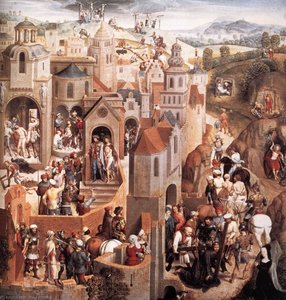
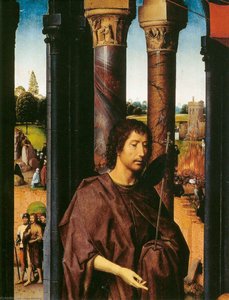
Hans Memling’s “St Jerome,” completed in 1490 during the height of the Northern Renaissance, transcends mere depiction; it embodies a profound meditation on piety and artistic mastery. Created in Bruges, Belgium—a city renowned for its burgeoning art scene under Burgundian patronage—this painting exemplifies the meticulous observation of nature and humanist ideals that defined the era.
Style & Technique: Memling’s approach aligns seamlessly with the prevailing stylistic trends of his time. He skillfully employs oil paint on oak, achieving unparalleled luminosity and textural richness. The artist meticulously renders the rocky landscape—a deliberate choice reflecting the spiritual pilgrimage undertaken by St. Jerome—with painstaking detail, capturing subtle variations in stone color and surface roughness. This technique underscores Memling’s commitment to realism, mirroring the humanist fascination with accurately representing the natural world.
Historical Context: The painting emerged during a period of significant intellectual and artistic ferment. The Renaissance spirit permeated Europe, fostering an interest in classical ideals alongside burgeoning scientific inquiry. Memling's workshop benefited immensely from this cultural dynamism, producing numerous commissions that showcased innovative artistic approaches. St. Jerome’s iconography—often portrayed as a hermit wrestling with demons—carried considerable symbolic weight within Christian tradition, representing asceticism and spiritual struggle.
Symbolism & Composition: The central figure of St. Jerome is positioned before a crucifix, symbolizing his unwavering devotion to Christ. His posture conveys humility and earnest prayer, while the lion beneath him symbolizes courage and dominion over temptation—a recurring motif in biblical narratives. Memling’s compositional choices contribute to the painting's dramatic impact, utilizing perspective to create depth and layering textures to heighten visual interest. The muted palette—dominated by earthy tones—enhances the solemn atmosphere of the scene.
Emotional Impact: “St Jerome” resonates deeply with viewers through its evocative portrayal of spiritual contemplation. Memling’s masterful execution captures not only the physical appearance of St. Jerome but also his inner turmoil and unwavering faith. The painting serves as a powerful reminder of humanity's capacity for introspection and devotion—a timeless testament to artistic excellence and enduring religious symbolism.
This artwork is a remarkable achievement of artistic craftsmanship and spiritual expression—a piece that continues to inspire admiration for its beauty and insight.

Germany
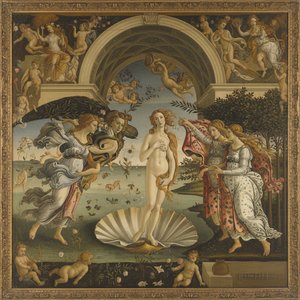
Journey through Botticelli's world with 25 iconic Renaissance paintings. Explore 'Birth of Venus,' 'Primavera,' and more—stories, techniques & timeless beauty. Find museum-quality art reproductions for your home at Most-Famous-Paintings.com.
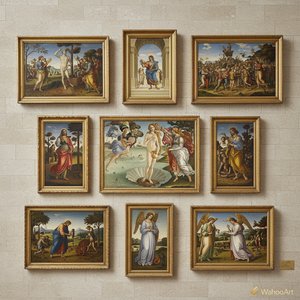
Journey through the Early Renaissance! Explore 10 iconic paintings by Botticelli, Leonardo da Vinci & Michelangelo. Discover their stories, techniques & lasting impact. Find museum-quality art reproductions and elevate your home decor with .
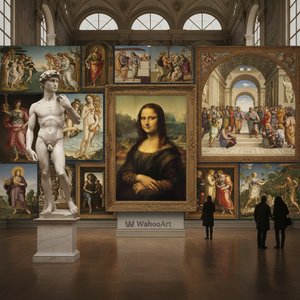
Journey through the Italian Renaissance with 10 iconic masterpieces by Leonardo da Vinci, Michelangelo & Raphael. Explore art history, techniques & timeless beauty. Find museum-quality reproductions and elevate your home decor on .

Journey through the Northern Renaissance! Explore 10 iconic paintings by Jan van Eyck, Dürer & Bosch. Discover their stories, techniques & lasting impact. Find museum-quality art reproductions & elevate your home decor on .

Explore 25 breathtaking artworks by Giotto di Bondone, a Renaissance master. Discover the stories behind iconic frescoes & paintings like the Scrovegni Chapel cycle. Find museum-quality Giotto reproductions and elevate your home decor with Most-Famous-Paintings.com.


Stay updated with the latest art news, exclusive offers, and decoration ideas.
Tell us about your project and our art experts will provide you with 3 personalized art suggestions.
Let Us Curate 3 Options Just for You - Free!


 Buy print
 Send
Send Share
Share
 Details

 Download
 Similars
 X-Ray
X-Ray Diaporama
 Read More







 Glass option is only available in size under 110 CM