x


 Oil On CanvasWallArtDutch Golden Age
 1663Early Modern
 67.0 x 55.0 cm
 The Wallace Collection
Hand-painted oil on canvas in your size and frame, made to order by our artists.





























Pick from our preset sizes that match the artwork's original proportions.

You may enter your own dimensions to fit a specific frame or space. If your selected size does not match the original image's proportions, we will either crop the artwork or extend the painting with additional hand-painted elements. A digital mockup will be sent for your approval before production begins.
Please note that the on-screen preview does not reflect the actual cropping or extension. Only the mockup will accurately show the final composition.
While custom sizes are available, we recommend selecting a dimension from the predefined list to preserve the original proportions.
Worldwide Delivery () in 3/4 weeks instead of standard 5 weeks. (18 July). No compromise on quality.


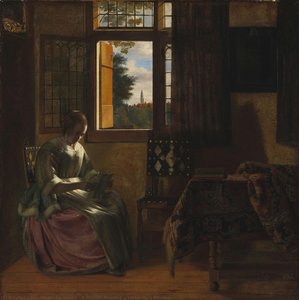
A Woman Peeling Apples
Reproduction Size
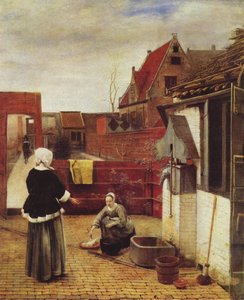
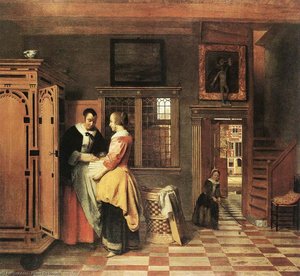
Pieter de Hooch’s “Woman Peeling Apples,” completed around 1663, stands as an emblem of Dutch Golden Age domestic tranquility and artistic innovation. Currently residing in the Wallace Collection in London, this painting transcends mere representation; it captures a fleeting moment imbued with profound psychological depth and masterful use of light—a characteristic that initially led art historians to erroneously attribute it to Johannes Vermeer.
Description: The canvas depicts a woman seated beside a fireplace, diligently peeling apples while observing her child. Two bowls adorn the room’s interior, positioned on either side of the hearth. A chair occupies the left edge of the composition, grounding the scene in everyday life. De Hooch's meticulous attention to detail—the textured fur trim of the woman’s jacket, the delicate Delft tiles lining the fireplace, and the subtle interplay of light—exemplifies the artist’s commitment to realism.
Style & Technique: De Hooch’s style aligns closely with that of Hendrik Avercamp and Jacob Ochtervelt, reflecting a broader trend toward atmospheric perspective and nuanced tonal gradations within Dutch genre painting. Unlike Vermeer's often solitary figures bathed in idealized luminescence, De Hooch employs diffused natural light—filtered through a window above—to illuminate the interior space, creating an atmosphere of warmth and intimacy. This technique is particularly notable for its ability to convey emotion and psychological nuance.
Historical Context: Painted during the Dutch Golden Age (approximately 1648–1702), “Woman Peeling Apples” reflects the burgeoning middle class’s aspiration for comfort and refinement. The scene speaks to themes of family life, domestic harmony, and the quiet dignity of rural existence—values that resonated deeply with contemporary audiences.
Symbolism: The inclusion of a cupid figurine between the woman and child symbolizes marital happiness and fertility – a common motif in Dutch art during this period. Furthermore, the fireplace represents warmth, hearth, and domestic stability, reinforcing the painting’s overarching message of contentment and familial affection.
Emotional Impact: “Woman Peeling Apples” evokes a sense of serene contemplation and understated beauty. Its masterful depiction of light and shadow contributes to its emotional resonance, inviting viewers to immerse themselves in the tranquil atmosphere of a Dutch home during wintertime.
Additional Research: This painting’s attribution to Vermeer initially sparked considerable debate among scholars due to similarities in compositional structure and lighting effects. However, subsequent research has firmly established De Hooch as the artist responsible for this iconic work. It is considered one of De Hooch's finest achievements, showcasing his unparalleled ability to capture the essence of human experience within a carefully constructed domestic setting.
Sources:


1629 - 1694 , Netherlands

Journey through 25 iconic artworks at the Metropolitan Museum of Art! Explore Van Gogh, Monet, Rembrandt & more. Discover art history, inspiring stories, and museum-quality reproductions to elevate your home decor. Explore the full collection on Most-Famous-Paintings.com.

Journey into the Dutch Golden Age! Explore 10 iconic paintings by Rembrandt, Vermeer & Hals. Discover the stories behind these Baroque masterpieces and find museum-quality art reproductions to elevate your home decor on .

Journey through Rembrandt van Rijn's 25 most iconic paintings & etchings. Explore Dutch Golden Age masterpieces, dramatic chiaroscuro, and timeless portraits. Find museum-quality art reproductions to elevate your home decor on Most-Famous-Paintings.com.

Explore the Dutch Golden Age of painting! Discover key artists like Vermeer & ter Borch, their innovative techniques, and the rich cultural context behind these Baroque masterpieces. Learn about collecting & appreciating this iconic art period.
Journey through 25 iconic James Abbott McNeill Whistler paintings! Explore his masterpieces of Aestheticism, from 'Nocturne in Black and Gold' to captivating portraits. Find museum-quality art reproductions & elevate your home decor with Most-Famous-Paintings.com. Discover the full collection online.


Stay updated with the latest art news, exclusive offers, and decoration ideas.
Tell us about your project and our art experts will provide you with 3 personalized art suggestions.
Let Us Curate 3 Options Just for You - Free!


 Buy print
 Send
Send Share
Share
 Details

 Download
 Similars
 X-Ray
X-Ray Diaporama
 Read More







 Glass option is only available in size under 110 CM