x


 Oil On CanvasWallArtRococo
 1765Late Medieval
 76.0 x 62.0 cm
 Walker Art Gallery
Hand-painted oil on canvas in your size and frame, made to order by our artists.





























Pick from our preset sizes that match the artwork's original proportions.

You may enter your own dimensions to fit a specific frame or space. If your selected size does not match the original image's proportions, we will either crop the artwork or extend the painting with additional hand-painted elements. A digital mockup will be sent for your approval before production begins.
Please note that the on-screen preview does not reflect the actual cropping or extension. Only the mockup will accurately show the final composition.
While custom sizes are available, we recommend selecting a dimension from the predefined list to preserve the original proportions.
Worldwide Delivery () in 3/4 weeks instead of standard 5 weeks. (18 July). No compromise on quality.


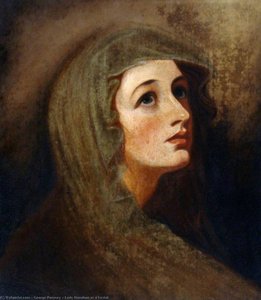
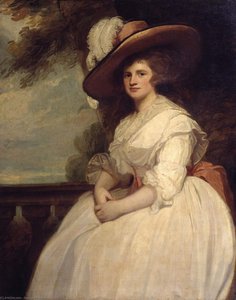
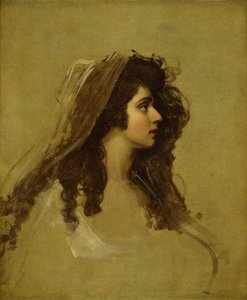
Portrait of a Lady (probably Mrs James Collingwood)
Reproduction Size
George Romney's “Portrait of a Lady (probably Mrs. James Collingwood)” is more than just a painted likeness; it’s a meticulously crafted window into the refined world of 18th-century British society. Completed in 1765, this oil on canvas work exemplifies the height of Rococo portraiture – an era defined by its emphasis on elegance, restraint, and subtle emotional depth. The painting immediately draws the viewer in with its carefully composed arrangement: a woman, likely Mrs. James Collingwood, positioned slightly off-center, her gaze direct yet contemplative. This isn’t a boisterous display of wealth or status; rather, it's an intimate portrayal designed to capture not just appearance but also a sense of inner character.
Romney’s masterful technique is immediately apparent in the painting's color palette – a restrained yet exquisitely balanced collection of soft pinks, creams, greys, and blues. The dominant hues create an atmosphere of quiet sophistication, mirroring the social standing of the sitter. Notice how the delicate lace trim adorning her neckline and bonnet isn’t merely decorative; it’s rendered with painstaking detail, showcasing Romney's ability to capture texture and light. The use of soft, flowing lines throughout the composition – particularly in the drapery of her gown and the intricate details of the lace – contributes significantly to the painting’s overall sense of grace and fluidity. The background, a muted grey, serves as an elegant backdrop, preventing it from distracting from the central figure.
Romney’s skill in manipulating light and shadow is truly remarkable. He employs diffused lighting to create a sense of volume and depth, highlighting the woman’s face and features without resorting to harsh contrasts. The subtle highlights on the lace and fabric suggest their delicate texture, while the shadows add richness and dimension to the overall image. This careful attention to detail elevates the portrait beyond a simple likeness; it becomes a study in light itself, capturing the ephemeral quality of beauty and grace. The lighting evokes a sense of intimacy, as if we are privy to a private moment.
“Portrait of a Lady” is firmly rooted in the artistic landscape of 18th-century Britain. George Romney’s rise to prominence coincided with a period of significant social and cultural change, marked by the burgeoning middle class and a growing demand for portraiture as a means of documenting status and identity. The painting reflects the prevailing aesthetic values of the era – an appreciation for elegance, refinement, and classical ideals. The subject's attire, the composition, and even the restrained color palette all speak to the social conventions and artistic trends of Georgian society. Romney’s work is considered a pivotal example of the transition from the more flamboyant styles of earlier portraitists to the more intimate and psychologically nuanced portraits that would characterize the late 18th century.
While seemingly straightforward, “Portrait of a Lady” subtly conveys a sense of quiet dignity and composure. The woman’s direct gaze invites contemplation, suggesting an inner strength and intelligence. The carefully chosen details – the lace, the bonnet, the subtle expression on her face – all contribute to a portrait that transcends mere representation, offering a glimpse into the personality and social standing of its subject. It's a testament to Romney's ability to capture not just a likeness but also the essence of his sitter’s character, leaving the viewer with a lingering sense of intrigue and admiration.


1734 - 1802 , United Kingdom

Transform your cherished travel photos into timeless oil paintings with expert artists at Most-Famous-Paintings.com. Museum-quality reproductions & custom portraits – preserve your memories beautifully.

Explore the evocative Victorian paintings of George Goodwin Kilburne. Discover his detailed scenes of domestic life, masterful use of light, and lasting impact on British genre painting. Learn more at Most-Famous-Paintings.

Commission breathtaking bespoke fantasy art with skilled oil painters. Explore techniques, artist selection & preservation tips. Invest in a unique masterpiece today!

Journey through art history with our guide to 10 legendary oil on canvas masterpieces! Explore iconic works by Van Gogh, Monet & Rembrandt. Find museum-quality reproductions and elevate your home decor at . Discover all masterpieces online.

Most-Famous-Paintings offers exquisite hand-painted oil painting reproductions & custom portraits crafted by skilled artists. Invest in a timeless legacy piece – museum quality, personalized art with guaranteed satisfaction. Explore our collection today!


Stay updated with the latest art news, exclusive offers, and decoration ideas.
Tell us about your project and our art experts will provide you with 3 personalized art suggestions.
Let Us Curate 3 Options Just for You - Free!


 Buy print
 Send
Send Share
Share
 Details

 Download
 Similars
 X-Ray
X-Ray Diaporama
 Read More







 Glass option is only available in size under 110 CM