x


 Acrylic On CanvasWallArtEarly Netherlandish Painting
 58.0 x 28.0 cm
 Szépmûvészeti Múzeum
Hand-painted oil on canvas in your size and frame, made to order by our artists.





























Pick from our preset sizes that match the artwork's original proportions.

You may enter your own dimensions to fit a specific frame or space. If your selected size does not match the original image's proportions, we will either crop the artwork or extend the painting with additional hand-painted elements. A digital mockup will be sent for your approval before production begins.
Please note that the on-screen preview does not reflect the actual cropping or extension. Only the mockup will accurately show the final composition.
While custom sizes are available, we recommend selecting a dimension from the predefined list to preserve the original proportions.
Worldwide Delivery () in 3/4 weeks instead of standard 5 weeks. (18 July). No compromise on quality.


Resurrection
Reproduction Size
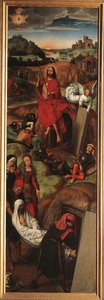
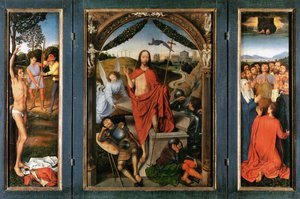
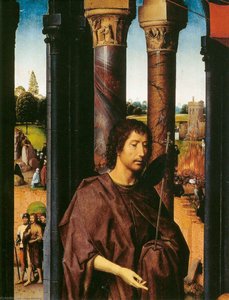
Hans Memling’s “Resurrection,” rendered in exquisite detail on a canvas measuring 58 x 28 cm, is more than just a depiction of a pivotal biblical event; it's a profound meditation on faith, hope, and the triumph over death. Created during the height of his career in Bruges around the late 15th century – though the precise dating remains elusive – this panel from the Triptych of the Resurrection stands as a testament to Memling’s mastery of Early Netherlandish painting and his deep understanding of religious iconography.
The scene unfolds with breathtaking realism. At its heart, we witness Jesus Christ being lifted vertically into the heavens by a multitude of angels, their wings spread wide in an act of divine assistance. The physicality of the resurrection is powerfully conveyed: Jesus’s body, rendered with meticulous attention to musculature and drapery, strains against the earthly bonds that have held him captive. Below, figures representing the mourning disciples – some weeping, others gazing upwards in stunned disbelief – are caught in the immediate aftermath of this miraculous event. The composition isn't merely a record of an occurrence; it’s a dynamic tableau brimming with emotional intensity.
Memling’s technique is characterized by its painstaking realism, a hallmark of the Early Netherlandish style. He employed oil paints to achieve unparalleled luminosity and depth, layering translucent glazes to create an almost ethereal quality. Notice the subtle variations in color – the warm hues of Jesus's flesh contrasting with the cool blues and purples of the angels’ robes – and the meticulous rendering of textures: the folds of the drapery, the rough surfaces of the stone, the delicate feathers of the birds circling above. The artist’s use of perspective is remarkably sophisticated for its time, creating a convincing sense of space and volume.
Crucially, Memling's work demonstrates his deep understanding of symbolism. The presence of swords, notably one held by John the Evangelist, alludes to the sacrifice Jesus made on the cross – a reminder that this resurrection is inextricably linked to his death. The birds soaring upwards represent the soul’s ascent to God. Even the placement of the cross in the upper left corner serves as a visual anchor, grounding the scene within the broader narrative of salvation. The inclusion of various figures and objects—a testament to the universality of faith—further enriches the work's symbolic weight.
Hans Memling’s rise to prominence in Bruges is inextricably linked to his apprenticeship under Rogier van der Weyden, a master whose influence can be seen throughout Memling’s oeuvre. However, Memling quickly developed his own distinctive style, characterized by an unparalleled attention to detail and a profound sense of spirituality. He operated a prolific workshop, disseminating his artistic vision across Europe and leaving behind a legacy of stunning religious paintings.
The Triptych of the Resurrection, in which this panel forms part, is considered one of Memling’s most significant achievements. It exemplifies the artistic trends of the late 15th century – a period marked by increasing interest in realism, naturalism, and the depiction of religious subjects with unprecedented emotional depth. Memling's work continues to resonate today, not only for its technical brilliance but also for its enduring message of hope and redemption. Reproductions offer a remarkable opportunity to experience this masterpiece’s power and beauty firsthand.
“Resurrection” transcends mere historical documentation; it is an invitation to contemplate the profound mysteries of faith. The scene evokes a powerful sense of awe and wonder, capturing the transformative moment when death is overcome by divine grace. The figures’ expressions – ranging from grief to ecstatic joy – reflect the complex range of human emotions associated with this pivotal event.
Whether adorning a private chapel or gracing a corporate space, this artwork's ability to inspire contemplation and evoke feelings of hope makes it a timeless addition to any collection. The meticulous detail and luminous colors create an immersive experience, drawing the viewer into the heart of the narrative and reminding us of the enduring power of faith.

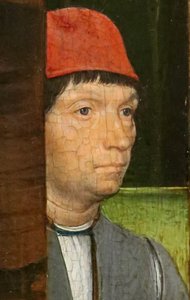
Germany

Journey through 25 iconic artworks at the Metropolitan Museum of Art! Explore Van Gogh, Monet, Rembrandt & more. Discover art history, inspiring stories, and museum-quality reproductions to elevate your home decor. Explore the full collection on Most-Famous-Paintings.com.
Journey through Alte Pinakothek's 25 most iconic paintings! Explore masterpieces by Dürer, Rembrandt & Rubens. Discover art history, techniques & find museum-quality reproductions for your home at Most-Famous-Paintings.com.
Explore 25 iconic artworks from Washington DC's National Gallery of Art! Discover masterpieces by Cézanne, Matisse & Picasso. Find museum-quality art reproductions and elevate your home decor with timeless paintings. Explore the full collection online at Most-Famous-Paintings.com.
Journey through 25 iconic James Abbott McNeill Whistler paintings! Explore his masterpieces of Aestheticism, from 'Nocturne in Black and Gold' to captivating portraits. Find museum-quality art reproductions & elevate your home decor with Most-Famous-Paintings.com. Discover the full collection online.
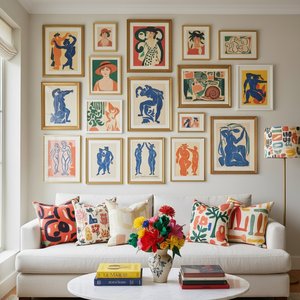
Journey through Henri Matisse's 25 most iconic paintings! Explore Fauvism, vibrant colors & the stories behind masterpieces like 'The Dance'. Find museum-quality art reproductions and curated decor ideas to elevate your space. Discover all masterpieces on Most-Famous-Paintings.com.


Stay updated with the latest art news, exclusive offers, and decoration ideas.
Tell us about your project and our art experts will provide you with 3 personalized art suggestions.
Let Us Curate 3 Options Just for You - Free!


 Buy print
 Send
Send Share
Share
 Details

 Download
 Similars
 X-Ray
X-Ray Diaporama
 Read More







 Glass option is only available in size under 110 CM


![The Passion [detail] — Hans Holbein The Younger](/media/artworks/images/thumbnails/05/7f/057f8051c622487fae8ae052bf714363.jpg)