x


 Oil On CanvasWallArtDutch Golden Age
 1658
1658 113.0 x 97.0 cm
 Academy of Fine Arts Vienna
Hand-painted oil on canvas in your size and frame, made to order by our artists.





























Pick from our preset sizes that match the artwork's original proportions.

You may enter your own dimensions to fit a specific frame or space. If your selected size does not match the original image's proportions, we will either crop the artwork or extend the painting with additional hand-painted elements. A digital mockup will be sent for your approval before production begins.
Please note that the on-screen preview does not reflect the actual cropping or extension. Only the mockup will accurately show the final composition.
While custom sizes are available, we recommend selecting a dimension from the predefined list to preserve the original proportions.
Worldwide Delivery () in 3/4 weeks instead of standard 5 weeks. (18 July). No compromise on quality.


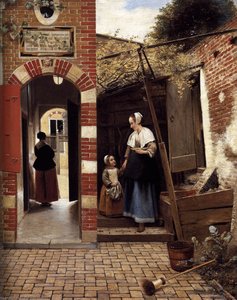
Portrait of a Family in a Courrtyard in Delft
Reproduction Size
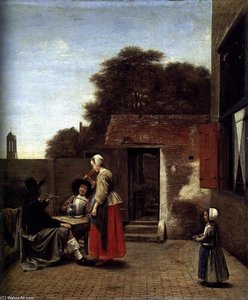
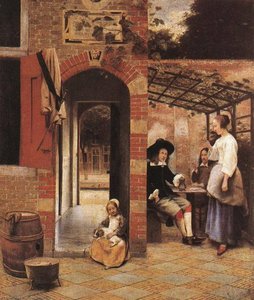
Pieter de Hooch's "Portrait of a Family in a Courtyard in Delft," painted in 1658, isn’t merely a depiction of a domestic scene; it’s a carefully constructed tableau of 17th-century Dutch life, imbued with quiet dignity and subtle symbolism. This remarkable work, now residing within the National Gallery in London, offers a rare glimpse into the burgeoning middle class and their aspirations for a comfortable, ordered existence – a world increasingly defined by domesticity and family values. De Hooch masterfully captures an afternoon’s repose within a Delft courtyard, transforming a commonplace setting into a poignant meditation on familial bonds and the rhythms of daily life.
The painting immediately draws the eye to its masterful use of light and shadow. De Hooch, a pioneer in employing diffused illumination – a technique he perfected through meticulous observation of natural light – creates an atmosphere of gentle warmth and intimacy. The light streams softly through the arched doorway, bathing the courtyard in a golden glow, while pockets of shade suggest depth and volume within the architecture. This subtle manipulation of light isn’t merely aesthetic; it serves to draw attention to key elements within the composition, guiding the viewer's eye across the scene with an almost imperceptible grace.
De Hooch’s skill extends far beyond simply capturing a visual likeness. He elevates the courtyard itself into a character within the painting. The brickwork of the arched doorway is rendered with astonishing detail, each individual brick meticulously depicted – a testament to his commitment to realism and his ability to transform the mundane into the extraordinary. The weathered tiles of the courtyard floor, the rough-hewn wooden planks of the log bin, and the delicate vine climbing the wall all contribute to a sense of lived-in authenticity. These architectural details aren’t merely decorative; they speak to the history of the house and the lives that have unfolded within its walls.
At the heart of the composition stands a family – a patriarch, his wife, their daughter, and a young couple. Their poses are relaxed yet dignified, suggesting an air of comfortable familiarity. The figures aren’t engaged in any dramatic action; instead, they exist within a moment of quiet contemplation, absorbed in their own thoughts or simply enjoying each other's company. The matriarch, holding a bunch of grapes – a symbol of fertility and abundance – is particularly striking, her gesture conveying both grace and domesticity. The inclusion of the tablet above the doorway, bearing an inscription referencing Saint Jerome’s Vale, adds another layer of meaning, hinting at the family’s piety and adherence to moral values.
“Portrait of a Family in a Courtyard in Delft” offers a fascinating window into the social and cultural shifts occurring in 17th-century Holland. The painting reflects the growing importance of the domestic sphere, particularly for women, as families moved away from the bustling commercial centers and established comfortable homes within the burgeoning urban landscape. De Hooch’s depiction of a prosperous family – complete with well-maintained furnishings and a sense of order – embodies the aspirations of the emerging middle class, who sought to emulate the lifestyle of the wealthy elite while maintaining their own values and traditions. The subtle details—the broom, the peach, the carefully arranged objects—all contribute to this broader narrative of social change.
Pieter de Hooch’s “Portrait of a Family in a Courtyard in Delft” remains one of his most celebrated works. Its luminous quality, meticulous detail, and subtle symbolism continue to captivate viewers today. The painting's enduring appeal lies not only in its technical brilliance but also in its ability to evoke a sense of quiet intimacy and timeless beauty – a testament to De Hooch’s profound understanding of the human condition and his mastery of capturing the essence of everyday life.


1629 - 1694 , Netherlands
Delve into the world of Francisco Goya with Most-Famous-Paintings. Explore 25 iconic paintings – from 'The Third of May' to his haunting Black Paintings. Discover the stories, techniques & emotions behind these Spanish masterpieces. Find museum-quality art reproductions for your home at Most-Famous-Paintings.com!
Explore the captivating world of Pieter de Hooch, a master of Dutch Golden Age painting. Discover his innovative use of light, intimate domestic scenes, and lasting influence on art history. Learn more at Most-Famous-Paintings.

APS ofrece reproducciones de bellas artes y encargos personalizados desde 2004. Confían en nosotros corporaciones, hoteles y coleccionistas selectos para obras de arte de calidad museística, servicio discreto y soluciones artísticas completas. ¡Póngase en contacto con nosotros para obtener un presupuesto personalizado!

Journey through 25 iconic Claude Monet masterpieces! Explore Impressionism’s beauty, from Water Lilies to Rouen Cathedral. Discover stunning art reproductions & curated decor ideas – explore the full collection online at Most-Famous-Paintings.com.
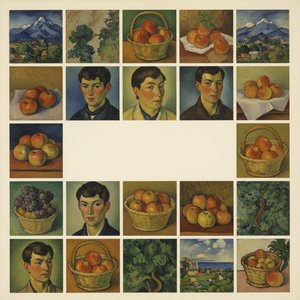
Journey through 25 iconic artworks by Paul Cézanne – a master of Impressionism and Post-Impressionism. Explore his landscapes, still lifes, and the stories behind these timeless masterpieces. Discover museum-quality reproductions & curated decor at Most-Famous-Paintings.com.


Stay updated with the latest art news, exclusive offers, and decoration ideas.
Tell us about your project and our art experts will provide you with 3 personalized art suggestions.
Let Us Curate 3 Options Just for You - Free!


 Buy print
 Send
Send Share
Share
 Details

 Download
 Similars
 X-Ray
X-Ray Diaporama
 Read More







 Glass option is only available in size under 110 CM