x


 Oil On CanvasWallArtRococo
 66.0 x 49.0 cm
 Chetham's Library
Hand-painted oil on canvas in your size and frame, made to order by our artists.





























Pick from our preset sizes that match the artwork's original proportions.

You may enter your own dimensions to fit a specific frame or space. If your selected size does not match the original image's proportions, we will either crop the artwork or extend the painting with additional hand-painted elements. A digital mockup will be sent for your approval before production begins.
Please note that the on-screen preview does not reflect the actual cropping or extension. Only the mockup will accurately show the final composition.
While custom sizes are available, we recommend selecting a dimension from the predefined list to preserve the original proportions.
Worldwide Delivery () in 3/4 weeks instead of standard 5 weeks. (18 July). No compromise on quality.


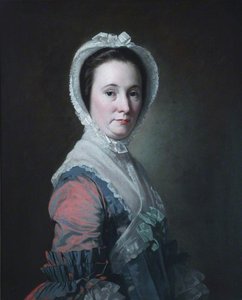
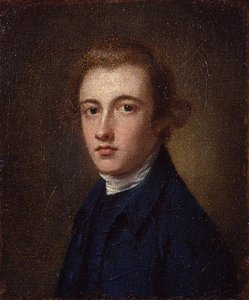
Robert Thyer (1709–1781), Chetham's Librarian
Reproduction Size
George Romney’s “Robert Thyer (1709–1781), Chetham’s Librarian” is more than a simple likeness; it’s a carefully constructed tableau of intellect, responsibility, and the quiet dignity of scholarly life. Painted in 1763, this oil-on-canvas portrait captures Robert Thyer, the esteemed librarian of Chetham's Library in Manchester, England – an institution renowned for its extensive collection of books and manuscripts. Romney’s masterful handling of light and shadow, combined with a keen eye for detail, elevates the scene beyond a mere representation to a deeply evocative portrayal of a man immersed in his vocation.
Romney, a prominent figure in 18th-century British portraiture, was celebrated for his ability to capture not just physical appearance but also the character and personality of his subjects. He frequently worked with wealthy patrons and members of high society, employing a refined Rococo style characterized by elegant poses, delicate fabrics, and an emphasis on capturing subtle expressions. “Thyer” exemplifies this approach, showcasing Romney’s skill in rendering textures – from the rich velvet of Thyer's coat to the intricate folds of his cravat – and conveying a sense of quiet contemplation.
To understand the portrait fully, one must appreciate the significance of Chetham’s Library. Established in 1653 by Thomas Chetham, a wealthy Manchester merchant, it was originally intended to provide education for underprivileged children. By Thyer's time, it had become a renowned center for learning and scholarship, housing an impressive collection of books, manuscripts, and musical instruments. Thyer himself played a crucial role in maintaining this invaluable resource, dedicating his life to its preservation and accessibility.
The background of the painting—a subtle wash of green—suggests a library setting, though it’s deliberately understated, allowing Thyer's figure to command attention. The muted tones contribute to the overall atmosphere of scholarly seriousness, reinforcing the impression that he is deeply engaged in his work. The inclusion of a small table and chair hints at the tasks he undertakes – cataloging, reading, or perhaps even writing—further solidifying his role as the guardian of knowledge.
Thyer’s pose is deliberately restrained. He sits upright, with a slight turn of his head towards the viewer, creating an immediate connection. His expression is serious yet not stern; there's a hint of intelligence and perhaps even a touch of melancholy in his eyes. The carefully arranged details—the spectacles perched on his nose, the quill pen resting on the table—speak volumes about his profession and intellectual pursuits.
The choice of attire – a dark coat, white scarf, and a meticulously styled wig – reflects the formality and respect associated with scholarly positions in the 18th century. Romney’s skillful use of light highlights Thyer's face, emphasizing his features and conveying a sense of dignity and composure. He is not presented as a flamboyant figure but rather as a man of quiet strength and unwavering dedication to his craft.
“Robert Thyer (1709–1781), Chetham’s Librarian” offers a rare glimpse into the world of 18th-century scholarship. It's a testament to Romney’s artistic skill and his ability to capture not just outward appearances but also the inner character of his subjects. The portrait continues to resonate today, reminding us of the importance of preserving knowledge and celebrating those who dedicate their lives to its pursuit. Reproductions of this captivating work offer a beautiful way to bring a touch of intellectual serenity into any space.


1734 - 1802 , United Kingdom

Explore the life & legacy of Robert Henri, a pivotal figure in American Realism. Discover his captivating portraits, influence on the Ashcan School, and enduring impact on art history. Learn more at Most-Famous-Paintings.

Explore the life & art of Charles Robert Leslie, a key figure bridging Romantic ideals with Victorian academic tradition. Discover his captivating portraits, literary scenes, and enduring legacy as Constable’s biographer.

Explore the artistic brilliance of the Enlightenment era! Discover Rococo's elegance & Neoclassicism’s virtue with expert insights into 18th-century masterpieces. Learn about David, Kauffmann & more.

Explore 10 revolutionary Cubist portraits by Picasso, Braque & more! Discover the stories behind these iconic paintings and how they shaped modern art. Find museum-quality reproductions to elevate your home decor on Most-Famous-Paintings.com.

Explore the life & work of George Agnew Reid, a pivotal figure in Canadian Impressionism. Discover his genre paintings, mural commissions, and lasting influence on art education & national identity. A comprehensive guide for collectors & enthusiasts.


Stay updated with the latest art news, exclusive offers, and decoration ideas.
Tell us about your project and our art experts will provide you with 3 personalized art suggestions.
Let Us Curate 3 Options Just for You - Free!


 Buy print
 Send
Send Share
Share
 Details

 Download
 Similars
 X-Ray
X-Ray Diaporama
 Read More







 Glass option is only available in size under 110 CM